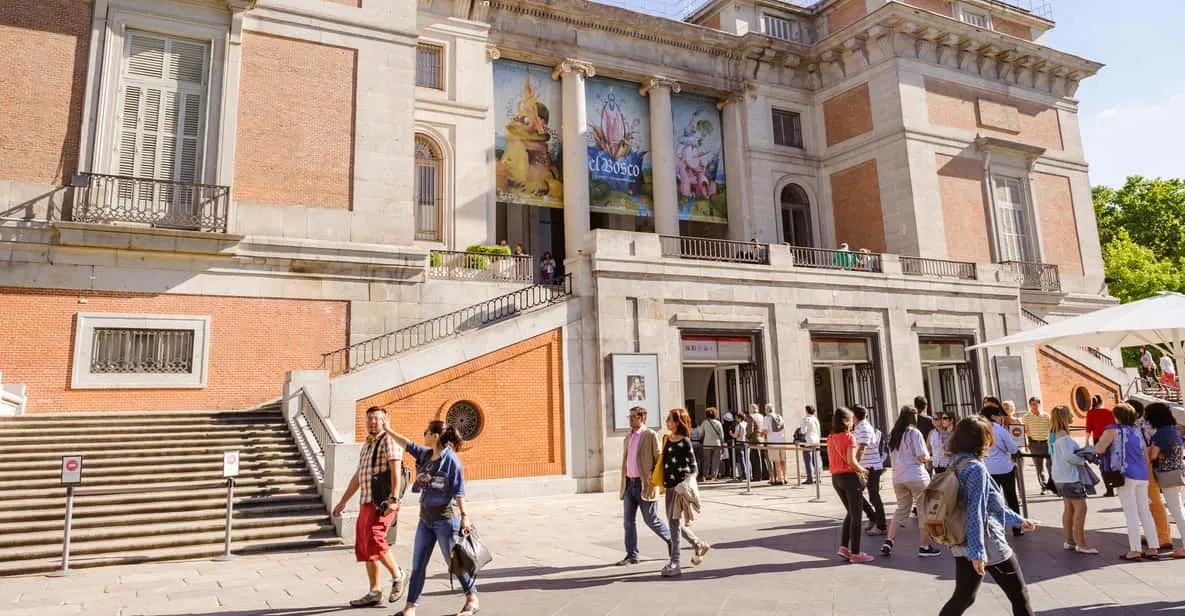
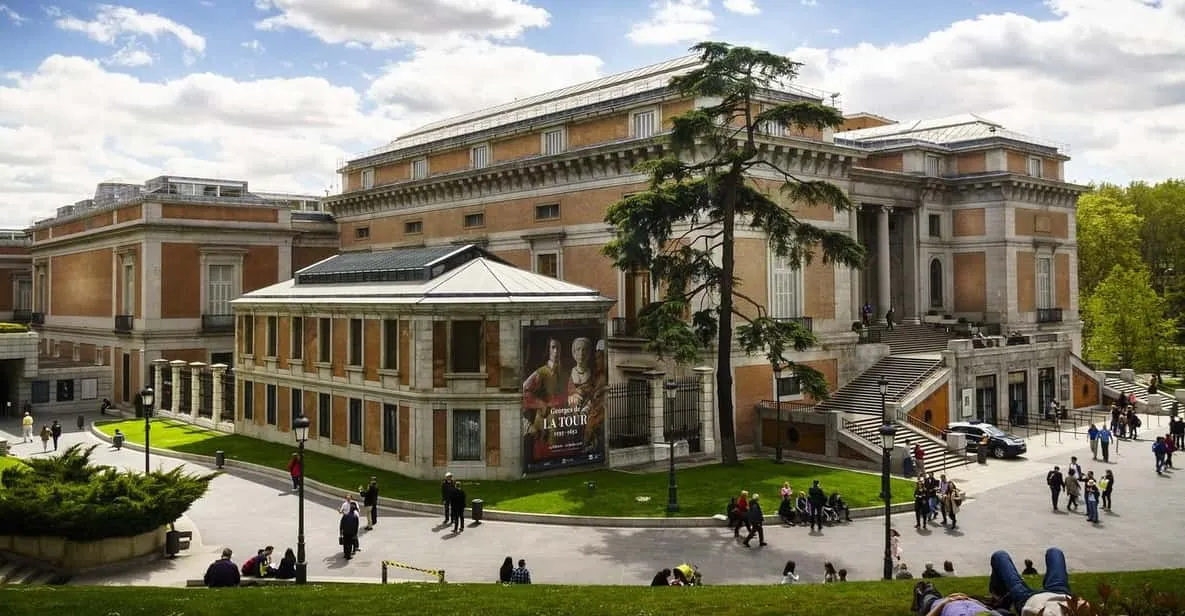
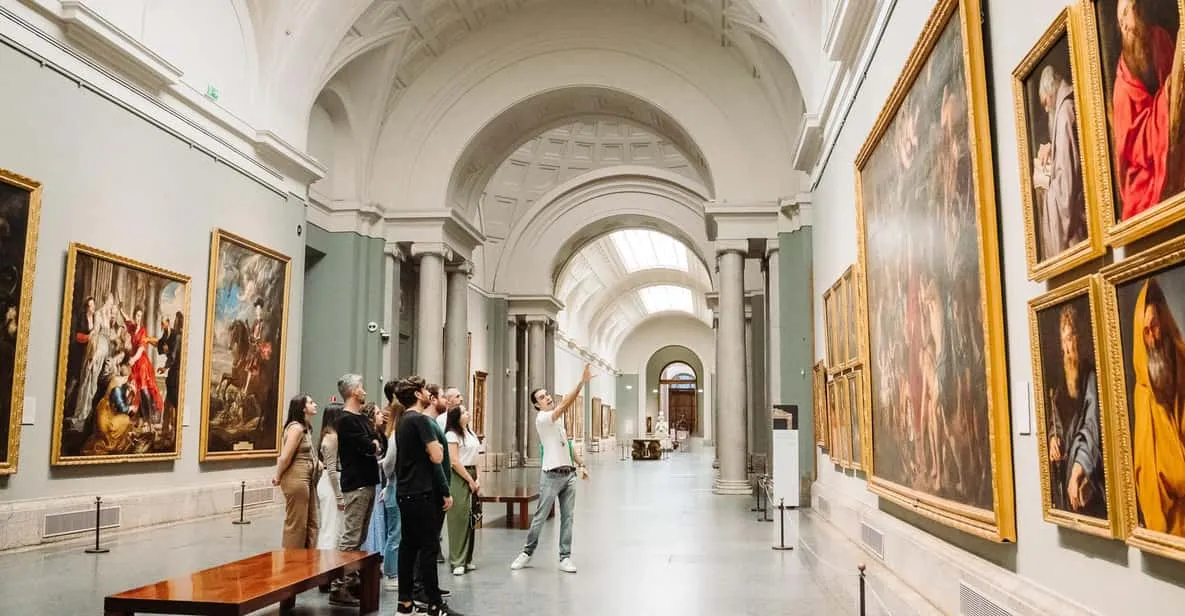
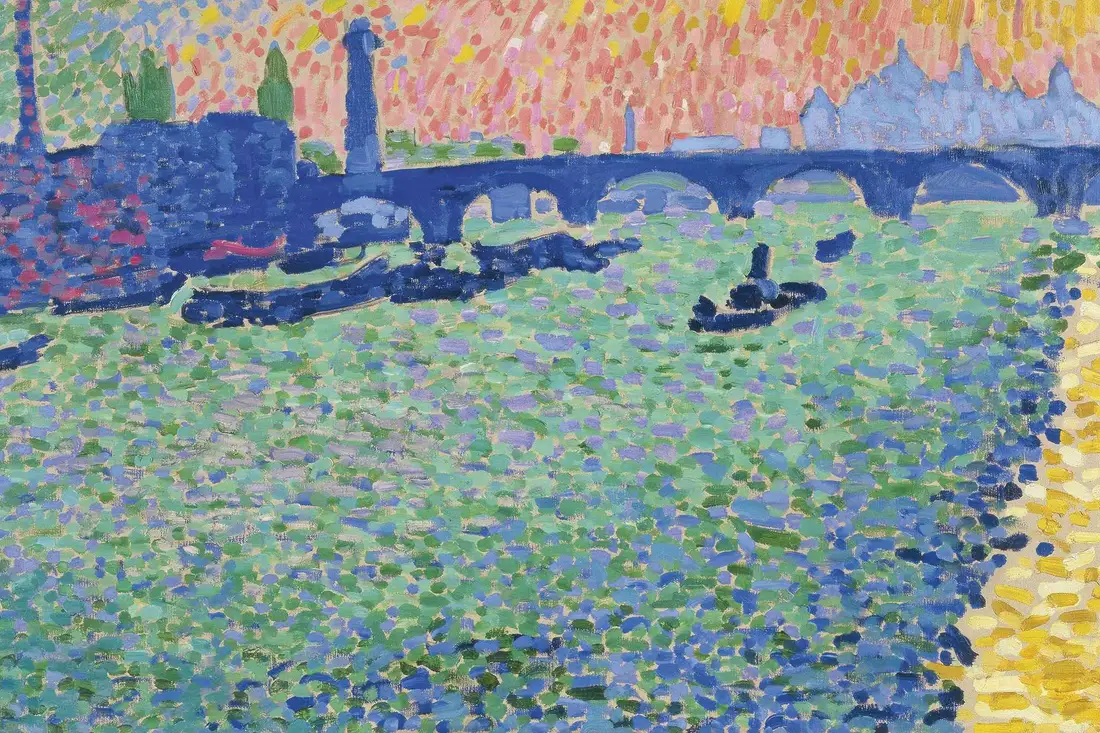
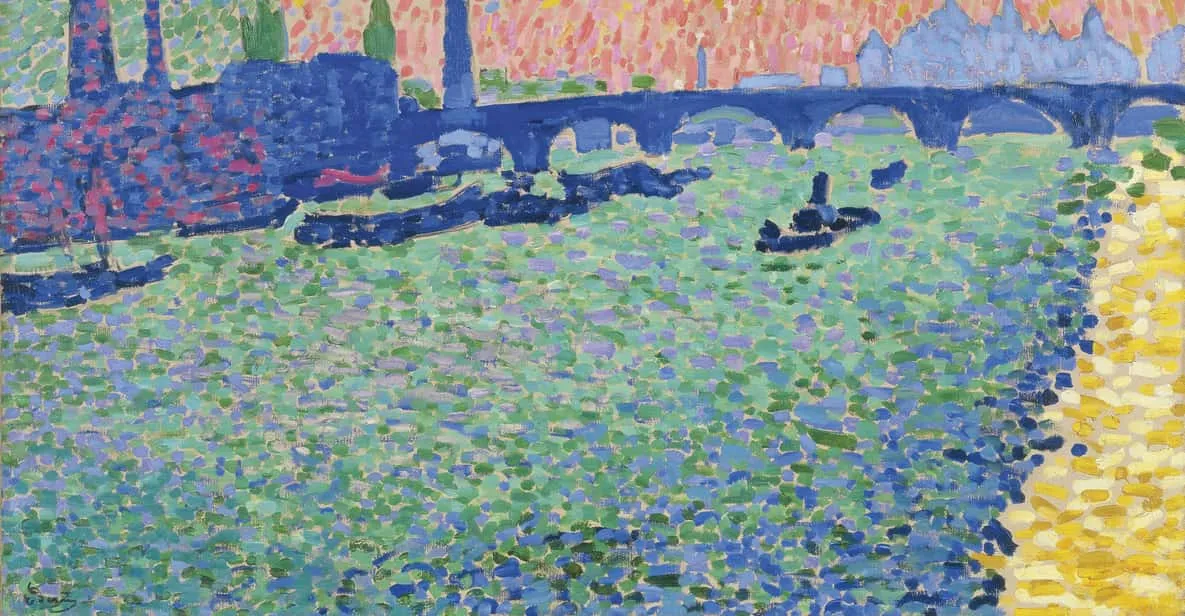
from $43 Art Walk Pass: Prado, Reina Sofía & Thyssen
- All three major museums
- Spread across days
- Cheapest way to see all three
Velázquez's Las Meninas, Picasso's Guernica and the finest private collection in Europe sit within a ten-minute walk of each other along one boulevard. This guide sorts the museums in Madrid by theme, with hours, ticket prices, the free-entry windows worth planning around, and the tickets that skip the queue.
Madrid holds one of the great concentrations of art in Europe, and almost all of it sits on a single kilometre of one boulevard. The Paseo del Prado lines up the Prado, the Reina Sofía and the Thyssen-Bornemisza close enough to walk between in minutes, and together they are known as the Golden Triangle of Art. Between them they cover Western painting from the medieval panel to Pop Art, and they are the reason most people come. But the museums in Madrid run far wider than three buildings, from the largest royal palace in Western Europe to the trophy room at the Bernabéu, from the Iberian Lady of Elche to Europe's first video game museum.
This guide sorts the museums in Madrid, Spain into nine themes so you can pick by what you actually want to see rather than working down a list. Each section covers where a museum sits, when it opens, what a ticket costs, what is genuinely worth finding inside, and the tickets and tours worth booking ahead. Two things to know before you plan anything else. Madrid's museums have generous free-entry windows, usually the last two hours of the day, and knowing them can save a family a small fortune. And the Reina Sofía closes on Tuesdays while the Prado stays open all week, so the order you visit the Golden Triangle in matters more than it looks.
Hours, prices and closing days on this page were last checked in July 2026. Madrid's museums adjust their schedules for exhibitions and public holidays, so confirm on the official site before a special trip.
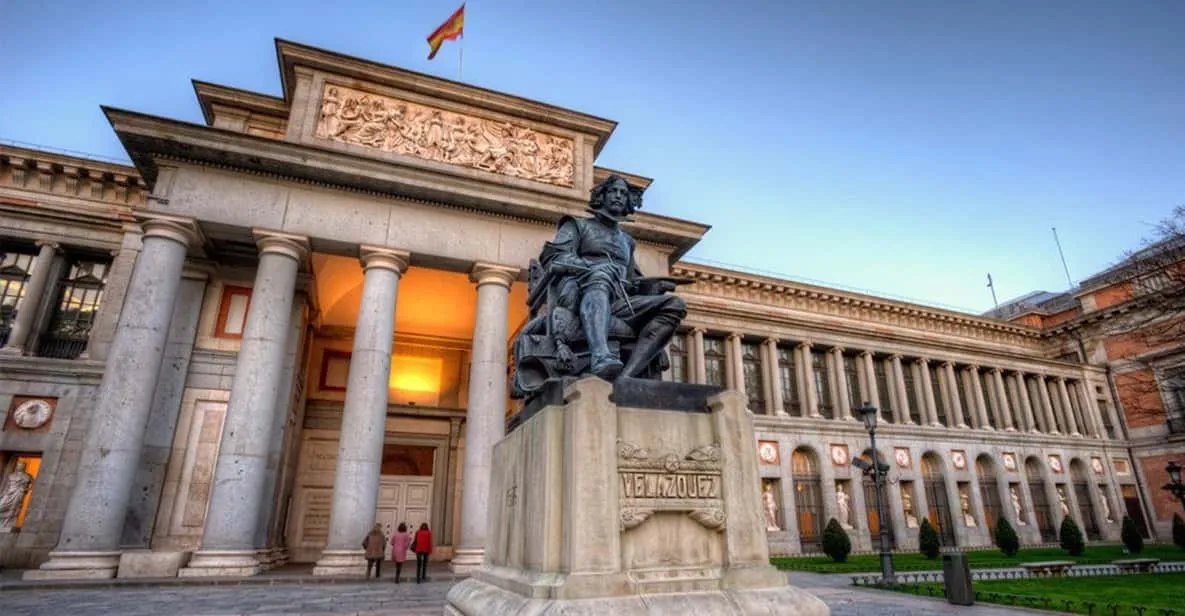
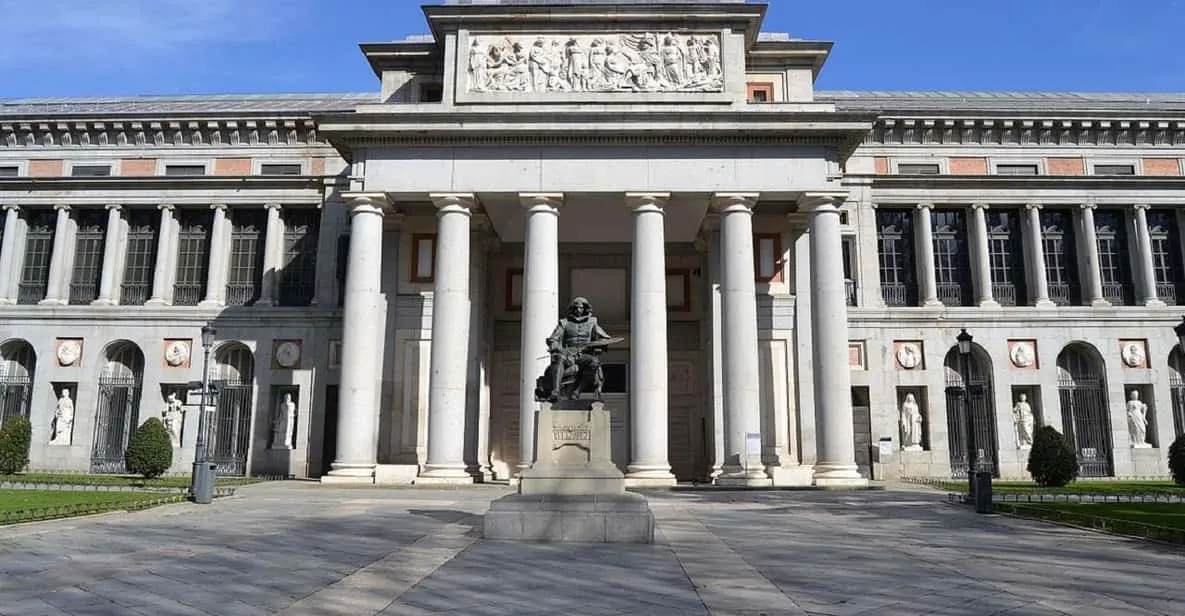
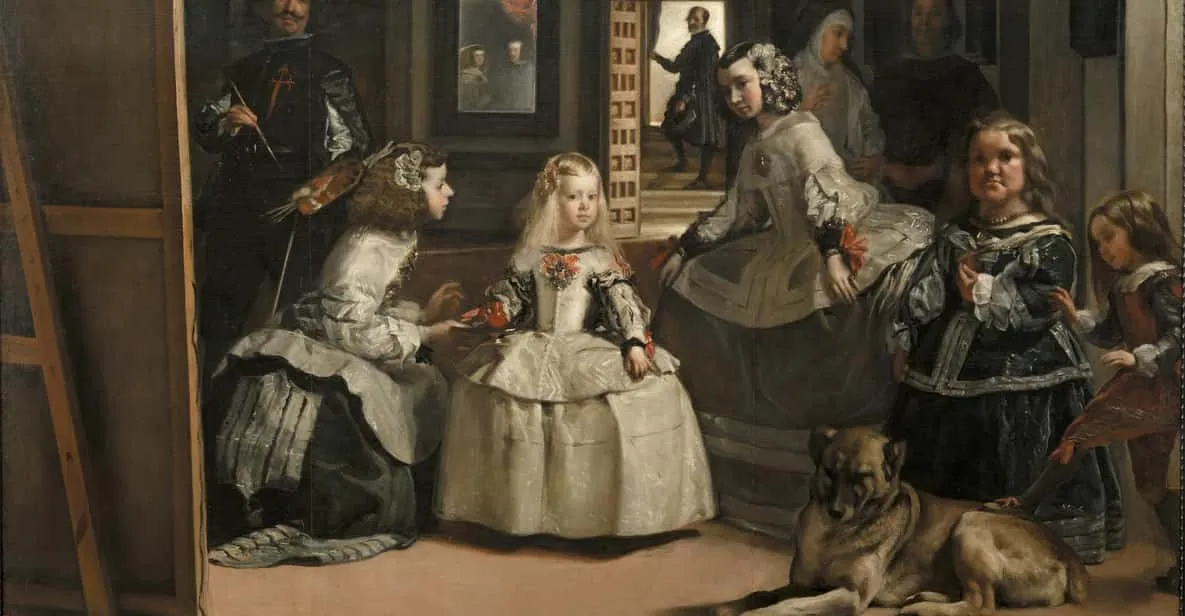
The Prado — Spain's national gallery, with Velázquez's Las Meninas, Goya's black paintings and Bosch's Garden of Earthly Delights under one neoclassical roof.
The Reina Sofía — built around Picasso's Guernica, with the finest rooms of Dalí and Miró in the country.
The Thyssen-Bornemisza — the third point of the Golden Triangle, filling every gap the other two leave, from early Flemish panels to Hopper and Pop Art.
The Sorolla Museum — the painter's own house and garden, left as it was, and the loveliest small museum in the city. No booking, pay at the door.
The OXO Video Game Museum and the Naval Museum — one Europe's first of its kind, the other full of ship models and free to enter.
The Santiago Bernabéu — Real Madrid's rebuilt stadium tour ends in a trophy room holding fifteen European Cups in one case.
Short on time? These are the top museums in Madrid, Spain, and the best of them, ranked, each with a one-line case and a link to its section below. The best museum in Madrid is the Prado on almost any measure, and the Golden Triangle it anchors takes the first three places. If you want the essential shortlist and nothing more, stop after the Royal Palace at number four — the Prado, the Reina Sofía, the Thyssen and the palace are the four most people genuinely regret missing.
The essentials for the most famous museums in Madrid, side by side. The Golden Triangle — Prado, Reina Sofía and Thyssen — is what most first-timers come for, and all three have free-entry windows in the evening if you would rather not pay. Prices below are the booked ticket including reservation fees, which is what you will actually pay; the door price is usually lower but assumes you get in.
Use this as your working list of the best museums to visit in Madrid, and remember the Reina Sofía is the one that closes on Tuesdays.
| Museum | Best for | Area | Time needed | Closed | Ticket | Our take |
|---|---|---|---|---|---|---|
| Prado Museum | Spanish old masters | Paseo del Prado | 2.5–3 h | Open daily | $21 · Check Availability | The one unmissable museum in Madrid. Free 18:00–20:00 Mon–Sat if you can face the crowds. Three hours is the honest minimum. |
| Reina Sofía | Picasso's Guernica | Atocha | 2–2.5 h | Tuesdays | $14 · Check Availability | Go for Guernica and stay for the Dalís. Closed Tuesdays, which catches people out. Free most evenings. |
| Thyssen-Bornemisza | 700 years of painting | Paseo del Prado | 2 h | Open daily | $16 · Check Availability | The one that fills every gap the other two leave. Free on Mondays 12:00–16:00, when the Prado is busiest. |
| Royal Palace | State rooms & armoury | Ópera | 1.5–2 h | Open daily | $25 · Check Availability | Vast and gilded. Book fast-access; the walk-up queue at the Plaza de Oriente gate is brutal by midday. |
| Royal Collections Gallery | Crown treasures | Ópera | 1.5 h | Mondays | $21 · Check Availability | Madrid's newest museum and still quiet. Pair it with the palace next door on the same morning. |
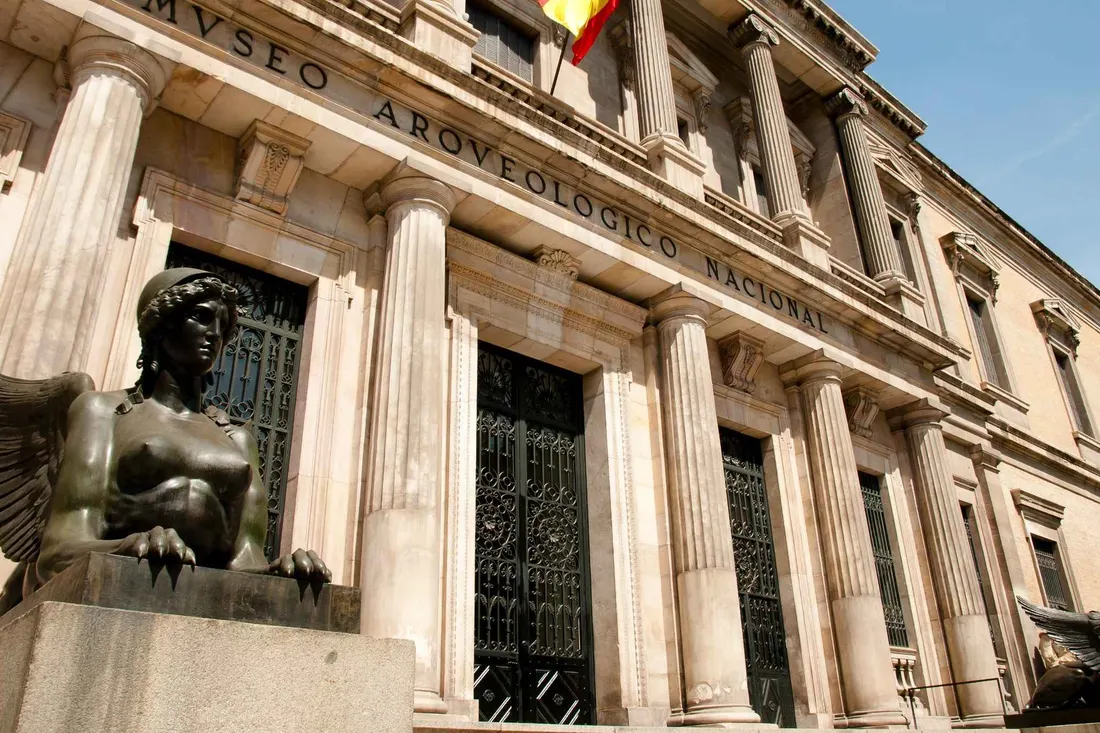
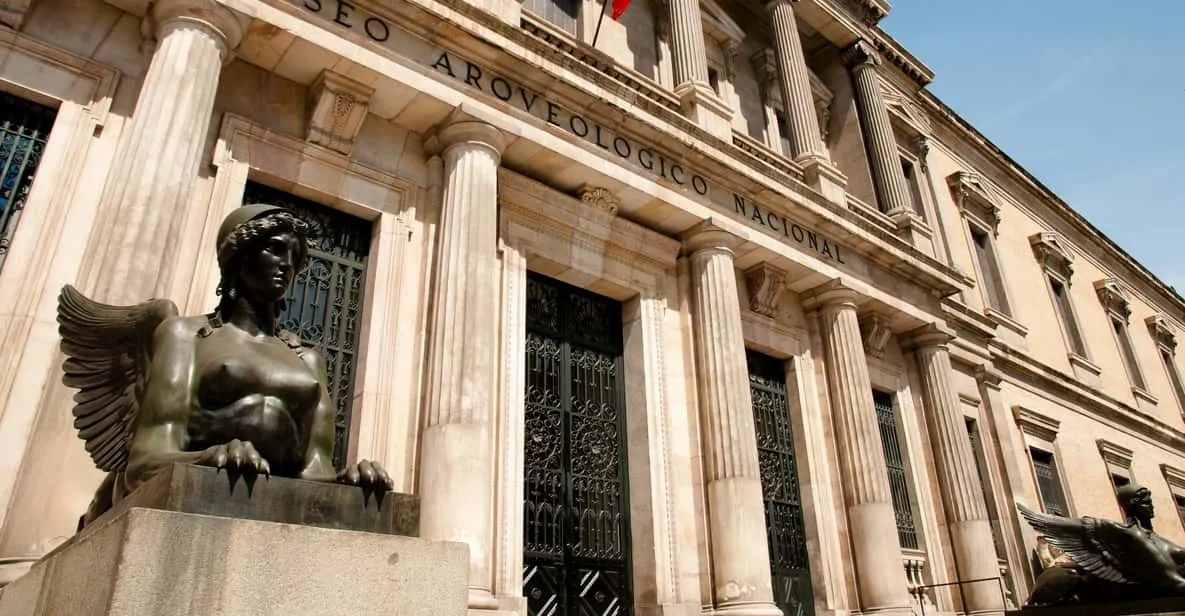
| Archaeological Museum | Iberian & ancient Spain | Serrano | 1.5–2 h | Mondays | $7 · Check Availability | The Lady of Elche and an Altamira replica for €3. One of the best-value tickets in the city, and rarely crowded. |
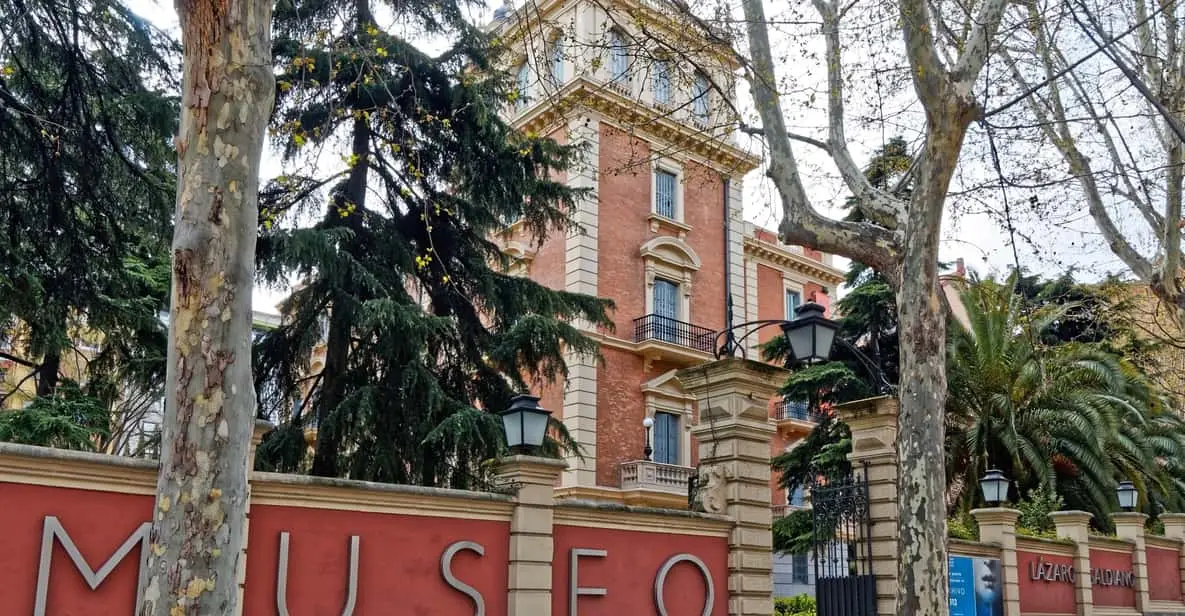
| Lázaro Galdiano | A collector’s mansion | Salamanca | 1.5 h | Tuesdays | $26 · Check Availability | Goyas and El Grecos in a financier's house north of the centre. The connoisseur's pick, almost always empty. |
| Sorolla Museum | A painter's home | Chamberí | 1 h | Mondays | €3 door | The loveliest small museum in Madrid, kept as Sorolla left it. €3, no booking, and free on Sunday. Just turn up. |
| Santiago Bernabéu | Real Madrid & trophies | Chamartín | 1.5–2 h | Open daily | $42 · Check Availability | Fifteen European Cups in one case. The most-booked ticket in Madrid, and the rebuilt stadium is genuinely impressive. |
| Naval Museum | Spanish seafaring | Paseo del Prado | 1 h | Mondays | Free | Free, on the museum boulevard, and holds the 1500 Juan de la Cosa map — the first to show the Americas. A small donation is suggested. |
| CaixaForum | Rotating exhibitions | Paseo del Prado | 1 h | Open daily | ~€6 door | The vertical garden outside is free; the exhibitions are among the best-curated in the city. Check what is on before you pay. |
| Banksy Museum | Street-art reproductions | Centre | 1 h | Open daily | $16 · Check Availability | Unofficial, but the only place to see Banksy's work gathered together. A well-rated break from the old masters. |
Three world-class museums sit within a few hundred metres of each other on the Paseo del Prado — the Prado, the Reina Sofía and the Thyssen-Bornemisza — and Madrid calls them the Golden Triangle of Art. Whether a museum pass in Madrid is worth buying comes down to how many of the three you want, and if you want all of them, there is a pass for exactly that. The official Paseo del Arte ticket (around €32) covers one entry to each and skips the individual ticket queues, and the Art Walk Pass here is the same idea bought in one click. At three door prices of €15, €12 and €13 it saves you a little money and a lot of queueing, and it lets you spread the three across different days rather than forcing a marathon. Check Availability
But do the arithmetic before you buy. If you only want two of the three, no pass wins — just book the two tickets. And all three museums are free in the evening, so a traveller on a budget with two or three days can see the whole Golden Triangle without paying at all, provided you do not mind the last-two-hours crowds. The pass earns its keep when you want daytime visits to all three without thinking about it.
The other route is a guided combo. A half-day tour of the Prado and Reina Sofía puts Velázquez and Guernica in one morning with the tickets included, which suits anyone short on days who would rather be told the story than read the labels.
| Museum | Door ticket | Free entry window |
|---|---|---|
| Prado Museum | €15 | Mon–Sat 18:00–20:00 · Sun 17:00–19:00 |
| Reina Sofía | €12 | Mon & Wed–Sat 19:00–21:00 · Sun 12:30–14:30 |
| Thyssen-Bornemisza | €13 | Mondays 12:00–16:00 (permanent collection) |
| Paseo del Arte pass (all three) | ~€32 | One entry each · no free window, but no queue |
| Royal Palace | €14 | EU/Latin American citizens, last 2 h certain days |
| Archaeological Museum | €3 | Sat from 14:00 · Sun morning |
| Sorolla, Naval & municipal museums | Free–€3 | Sorolla free Sun · Naval always free |
The Art Walk Pass covers all three Golden Triangle museums; the guided combos pair the Prado and Reina Sofía with a guide. Individual tickets and free evenings suit anyone visiting just one or two.
from $43
from $79
from $74
from $35 Two facts about museum hours in Madrid are worth pinning down before anything else. First, the Reina Sofía closes on Tuesdays while the Prado and the Thyssen stay open all week, so the classic mistake is to save Guernica for a Tuesday and find the doors shut. The state museums that do take a weekly day off — the Archaeological Museum, the Sorolla, the Lázaro Galdiano and the Royal Collections Gallery — close on Mondays, in the Italian pattern.
Second, almost every major museum here is free for the last two hours of the day, and the exact windows differ by museum. The Prado is free 18:00–20:00 Monday to Saturday, the Reina Sofía most evenings from 19:00, and the Thyssen the whole of Monday afternoon. These are the busiest hours of the day and timed slots are limited, but for a traveller on a budget they add up fast.
| Museum | Open | Closed |
|---|---|---|
| Prado Museum | Mon–Sat 10:00–20:00 · Sun 10:00–19:00 | Open daily (closed 1 Jan, 1 May, 25 Dec) |
| Reina Sofía | Mon & Wed–Sat 10:00–21:00 · Sun 10:00–14:30 | Tuesdays |
| Thyssen-Bornemisza | Tue–Sun 10:00–19:00 · Mon 12:00–16:00 | Open daily (reduced Mondays) |
| Royal Palace | Daily 10:00–19:00 (Oct–Mar to 18:00) | Open daily, closed for official ceremonies |
| Royal Collections Gallery | Tue–Sun 10:00–20:00 (Sun to 19:00) | Mondays |
| National Archaeological Museum | Tue–Sat 9:30–20:00 · Sun 9:30–15:00 | Mondays |
| Sorolla Museum | Tue–Sat 9:30–20:00 · Sun 10:00–15:00 | Mondays |
| Lázaro Galdiano | Tue–Sat 9:30–15:00 (Thu to 19:30) · Sun to 15:00 | Mondays |
| Santiago Bernabéu | Daily, tour times vary on matchdays | Open daily (limited on matchdays) |
Color = theme. Click any pin to jump to that museum's section of the guide. The three Golden Triangle museums cluster on the Paseo del Prado, walkable end to end in ten minutes, and most of the rest sit inside the same central ring. Four are off the map on purpose because plotting them squashes everything else: the Bernabéu and the Lázaro Galdiano to the north, Las Ventas to the east, and the theme parks and aquariums out in the suburbs.
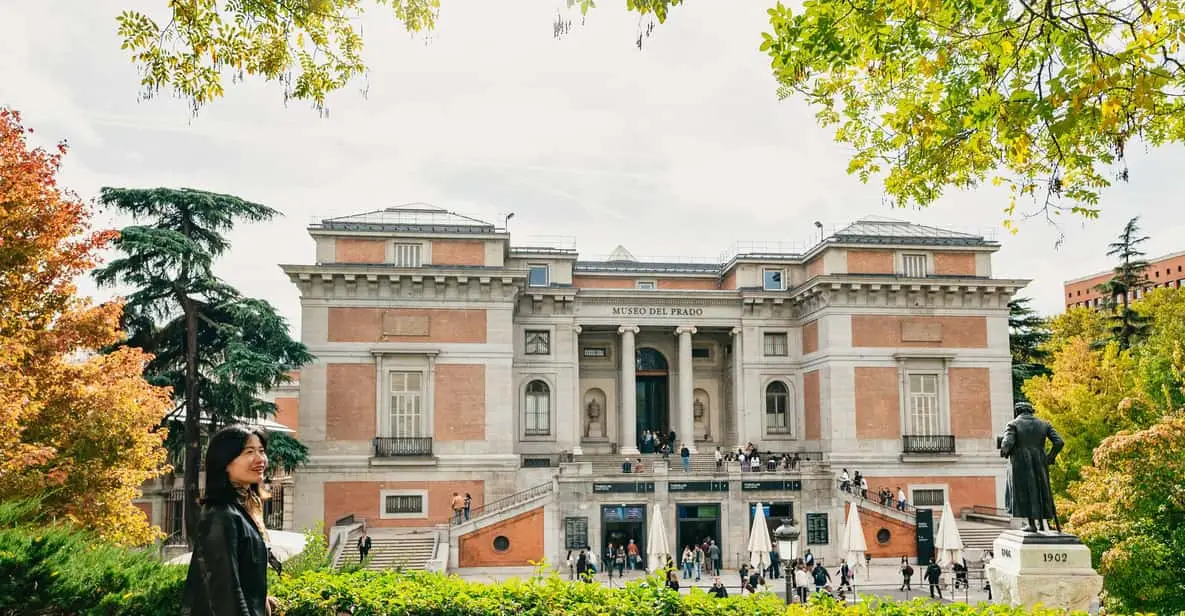
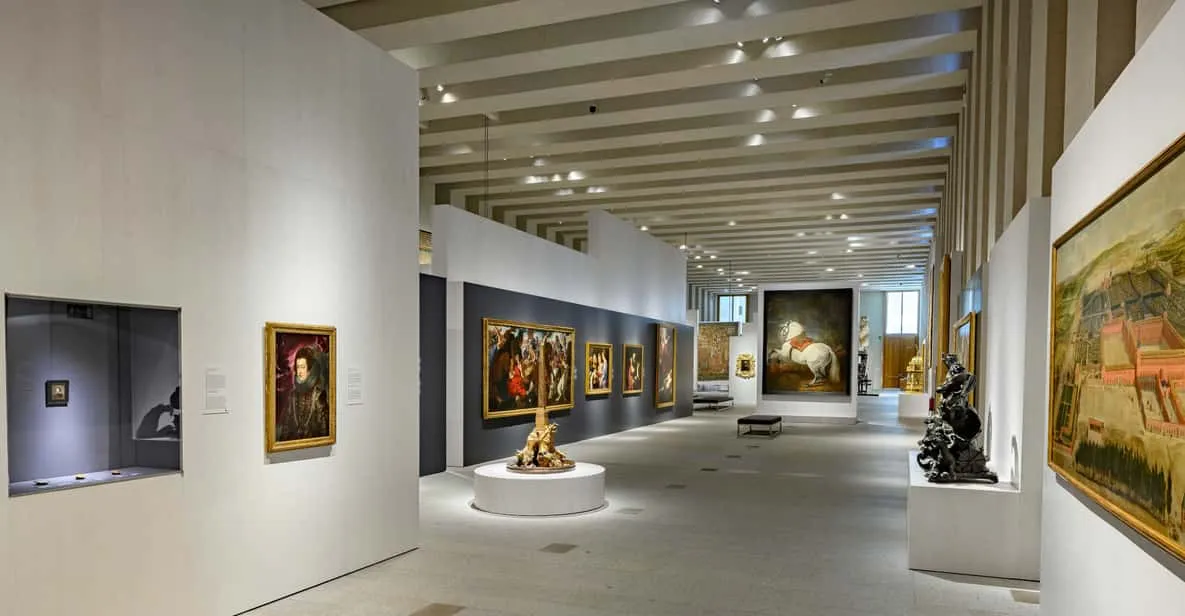
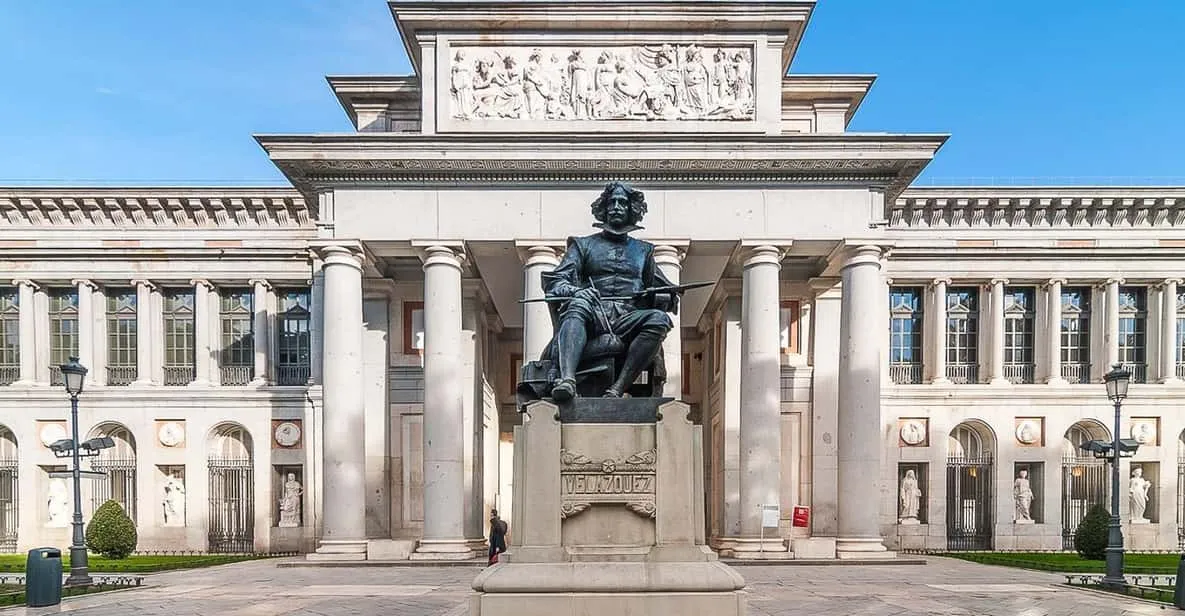
The Prado Museum in Madrid opened in 1819 to show the Spanish royal collection, and two centuries later it is still the reason most people come. It is the most famous art museum in Madrid, and for many the one famous museum in Madrid, Spain worth the trip on its own. Juan de Villanueva's long neoclassical building on the Paseo del Prado holds the deepest collection of Spanish painting anywhere, hung on the deep-red walls the museum has kept since the nineteenth century. Velázquez's Las Meninas is here, and the room in front of it is the busiest few square metres in the city; so are Goya's two Majas, his Third of May 1808 and the Black Paintings he pulled off the walls of his own house. Bosch's Garden of Earthly Delights, El Greco, Titian, Rubens and Caravaggio fill the rooms around them.
It is the most prominent art museum in Madrid, Spain by any measure, and unlike its neighbours it stays open every day of the week. Give it three hours honestly done. The best hours are the first thing in the morning or the free evening window from six, though the free slot fills quickly and the galleries around Las Meninas can be shoulder to shoulder.
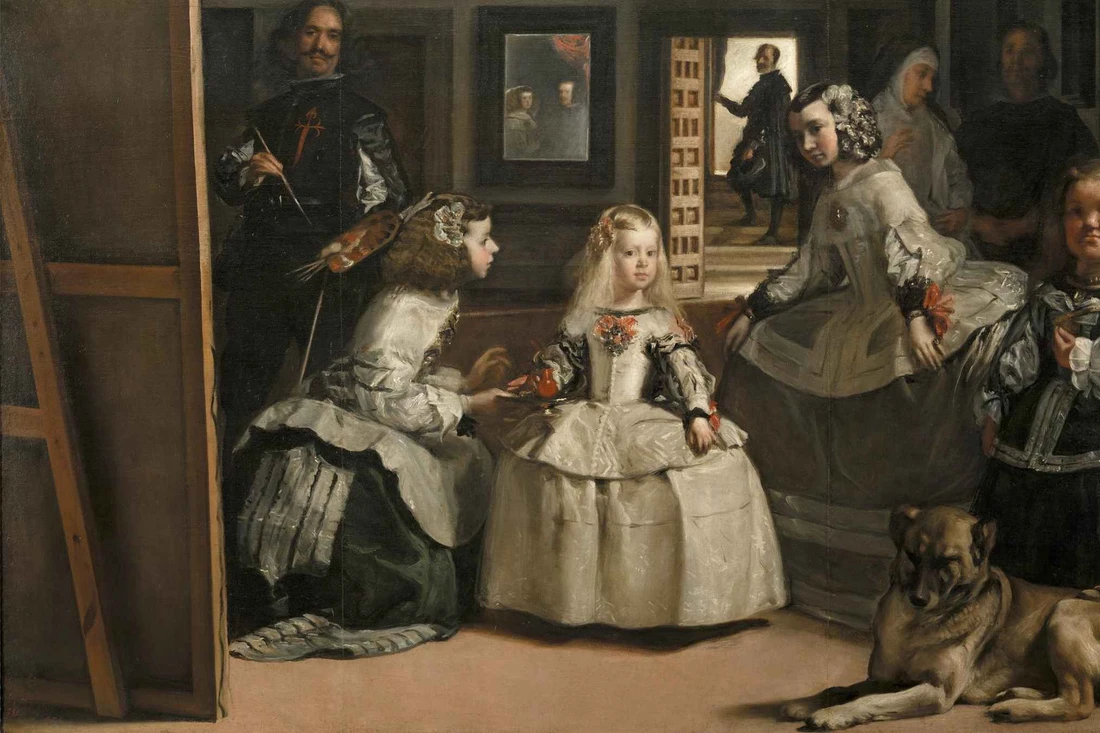
The most analysed painting in Spain, in which the painter puts himself, the royal family and the viewer into a single impossible room. Room 012, and always crowded.
Fourteen murals Goya painted straight onto the walls of his house in his deaf old age, including Saturn Devouring His Son. Transferred to canvas and hung together in the basement.
The Clothed Maja and the Nude Maja, hung side by side as Goya's patron kept them, one sliding to reveal the other.
The three-panel vision of paradise, pleasure and hell that Philip II hung in the Escorial. Room 056A, and worth the walk to the far end.
The Nobleman with his Hand on his Chest, Zurbarán's monks and Ribera's saints — the Spanish rooms are the reason the Prado has no rival for this period.
Titian's equestrian Charles V, Rubens's Three Graces and Raphael's Cardinal, the pick of the royal collection's foreign buying.
Free the last two hours Mon–Sat, but those are the most crowded hours of the day and slots run out. The 10:00 opening is the calm one.
The choice here is guide or no guide, and the collection is hung and labelled well enough that a reserved ticket suits most people. Pay for a guide if you want the politics behind the pictures — why the Habsburgs bought what they bought, what Goya was really painting in the Black Paintings — or if three hours of old masters sounds like work. A tightly focused masterpieces tour is the middle ground: the twenty paintings that matter, explained, in ninety minutes.
We went in at opening and had ten minutes in front of Las Meninas before the tour groups arrived. By midday you could barely see it. Go early or go in the free evening slot and accept the crowd.
Enormous, and we did not come close to seeing all of it in three hours. The Goya Black Paintings in the basement were the thing that stayed with me. Pick a few rooms and do them properly.
The guided masterpieces tour was money well spent. Standing in front of the Bosch while someone explains what every corner of it means is a completely different experience to reading the little label.
Reserved entry, skip-the-line guided tours, a focused masterpieces tour and a VIP pre-opening visit for the Prado, plus the combined ticket with the Reina Sofía.
from $21
from $49
from $72
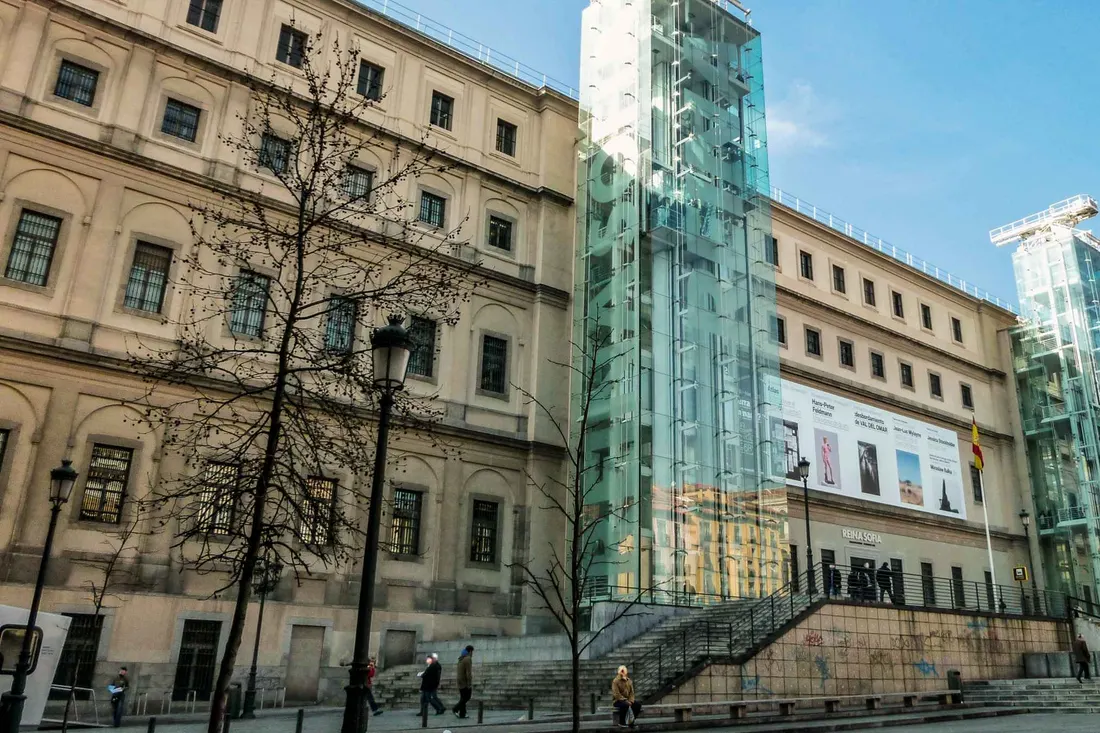
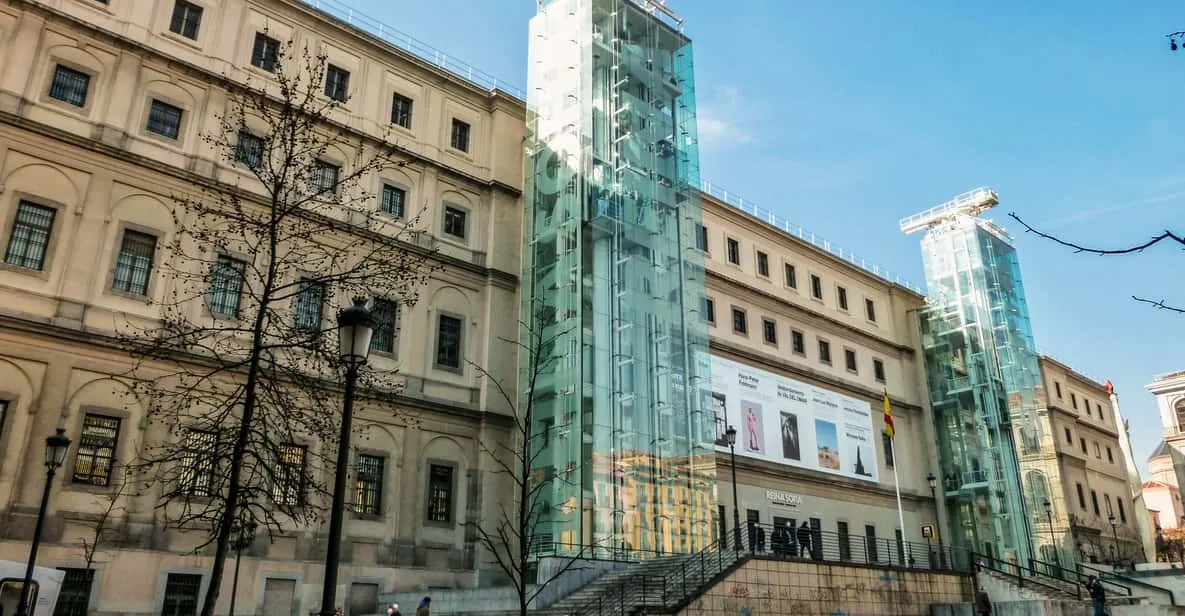
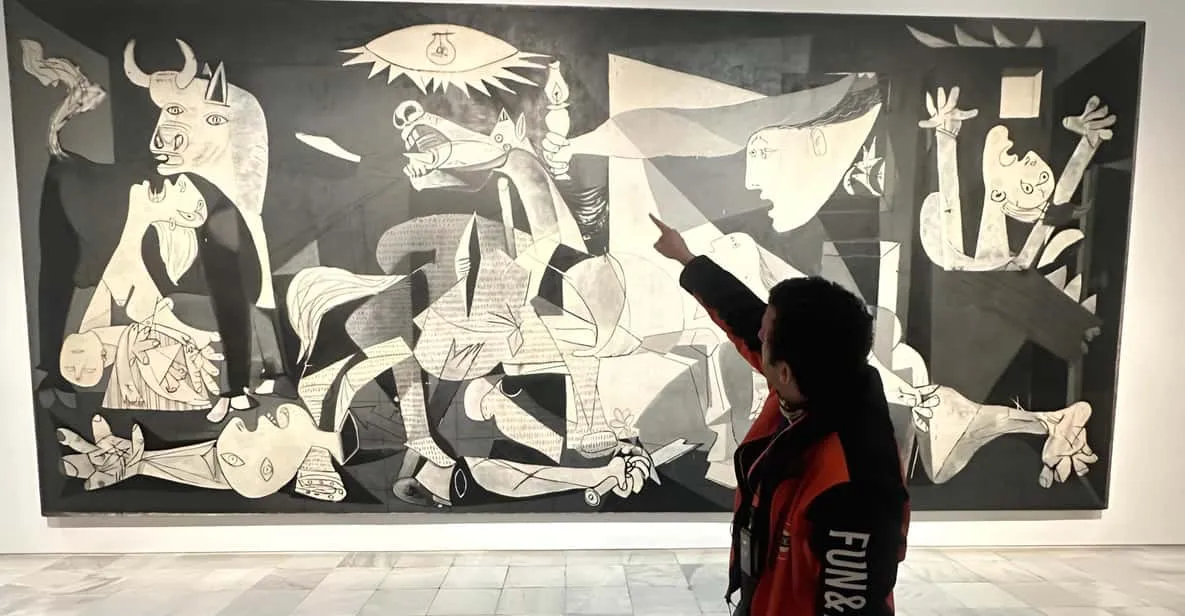
from $159 If the Prado is where Spanish painting ends, the Reina Sofía Museum in Madrid is where it begins again. Spain's national museum in Madrid for twentieth-century art fills a converted eighteenth-century hospital by Atocha station, with a Jean Nouvel extension and three glowing glass lifts bolted to the old facade. It is built around one painting: Picasso's Guernica, his vast grey response to the bombing of a Basque town in 1937, which hung in New York for decades and only came to Spain after Franco was dead and democracy restored. The room around it is always full, and photographs of it are not allowed.
But the museum in Madrid, Spain that everyone visits for Guernica keeps far more than one picture. The sketches Picasso made on the way to it hang in the same room. There are major halls of Dalí — the Great Masturbator, Girl at the Window — and of Miró and Juan Gris, making this the modern art museum in Madrid and the contemporary art museum in Madrid in one building. There is no separate Picasso museum in Madrid; the museum in Madrid with Picasso is this one. It closes on Tuesdays, which is the single most common trip-planning error in the city.
Nearly eight metres wide, painted in a month for the 1937 Paris expo, and the most important painting in Spain. No photographs allowed, and the room is always busy.
Picasso's preparatory studies hang alongside the finished work, so you can watch the horse, the bull and the lightbulb find their places.
The Great Masturbator and Girl at the Window, from before the moustache and the self-parody, when Dalí was simply one of the best painters alive.
A full sweep of Miró's flat, floating, primary-coloured world, the other pole of Spanish modernism next to Picasso.
The quieter Spaniard of Cubism, and the rooms that set Picasso's early work in the company it was made in.
The red-roofed glass courtyard of the modern extension, a calm place to sit between the collection and the temporary shows.
Closed Tuesdays — the most common planning mistake in Madrid. Guernica is on the second floor, room 205.
Guernica rewards a guide more than almost any painting in Madrid, because the history it responds to is the whole point and the wall label barely scratches it. If you would rather go alone, the entry ticket is cheap and the collection is easy to navigate — head straight up to room 205 first, before the tour groups, then work back down through Dalí and Miró.
You cannot really prepare for the size of Guernica. It takes up a whole wall and the room is silent even when it is packed. Seeing the sketches next to it, watching Picasso work it out, was the highlight of our trip.
So much more than Guernica once you look. The Dalí rooms are extraordinary and far less crowded. Just remember it shuts on Tuesdays, we nearly wasted a morning finding that out.
Went in the free evening slot which was busy but fine. The building itself is worth it, the old hospital with the glass lifts and the modern courtyard at the back. Give it two hours.
Reserved entry, a dedicated Guernica experience and small-group guided tours for the Reina Sofía, plus the combined guided tour with the Prado.
from $14
from $45
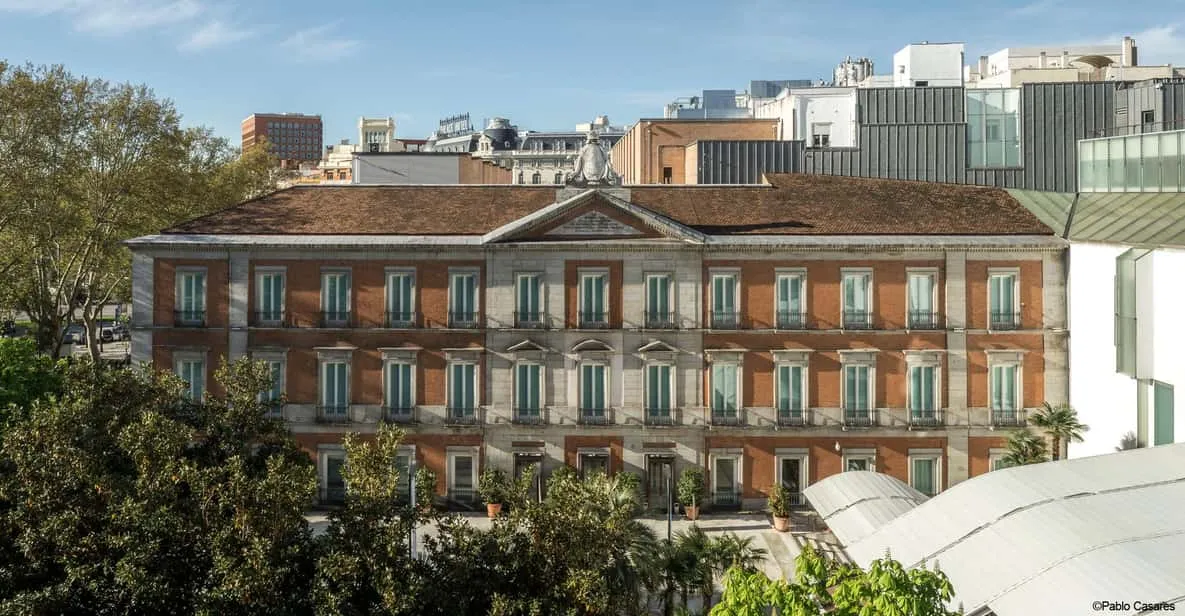
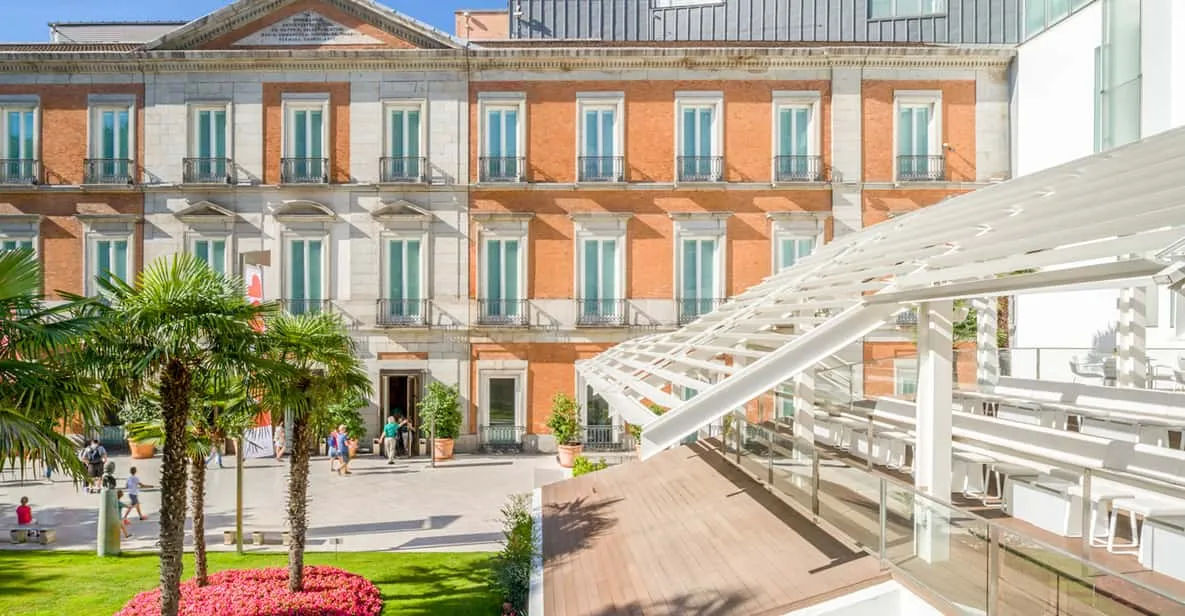
from $53 The Thyssen Museum in Madrid is the third point of the Golden Triangle, the one people underestimate, and the one that completes the other two. The Thyssen-Bornemisza is a private collection — two generations of a German-Hungarian industrial family bought it, Spain acquired it in 1993, and it fills the Palacio de Villahermosa on the Paseo del Prado. The point of it is coverage: where the Prado stops at the old masters and the Reina Sofía starts at the twentieth century, the Thyssen runs unbroken from a thirteenth-century gold-ground panel to Pop Art, and fills every school the royal collection never bothered with.
Start at the top and walk down and you get the whole history of Western painting in one afternoon: early Italians and Van Eyck, then Holbein and the Dutch, then a floor of Impressionists and Expressionists the Prado simply does not have, and finally Hopper, Rothko and Lichtenstein. It is a calmer, more manageable art museum than its neighbours, and together the three make the finest cluster of art museums in Madrid, Spain. Best of all, it is free the whole of Monday afternoon, exactly when the Prado is at its worst.
The serene profile portrait of a Florentine noblewoman, one of the best-loved faces in the museum and its unofficial emblem.
The Annunciation Diptych and the jewel-like early Netherlandish panels, the kind of thing even the Prado is thin on.
Monet, Degas, Renoir and Pissarro — the movement the Spanish royal collection ignored entirely, so this is where you find it in Madrid.
The lonely woman on the bed with the timetable, one of the finest Hoppers in Europe, plus a strong run of American painting.
A Tahitian idyll long considered the star of the collection, in the rooms of Post-Impressionism near the top of the building.
Kirchner and the German Expressionists, then Rothko, Lichtenstein and the Pop room that carries the collection into the present.
Free the whole of Monday afternoon, the one day the permanent collection costs nothing. Start on the top floor and walk down.
The Thyssen is the easiest of the three to do on your own, because its logic is simply chronological — take the lift to the top and let gravity guide you down through the centuries. A guide is worth it if you want the connective tissue, the way this collection was deliberately built to fill the gaps in the Prado. It is also the natural free-entry visit: come on Monday afternoon when the permanent collection is free and the Prado across the road is heaving.
The most underrated of the three big museums. We almost skipped it and it was our favourite — you get the Impressionists and the Hoppers that the Prado just does not have, and it is far calmer.
Start at the top and walk down, it is the whole history of painting in the right order. We did it on the free Monday afternoon and it was busy but completely worth it.
Smaller and more manageable than the Prado, which after a few days of museums was a relief. The Ghirlandaio portrait is worth the ticket on its own. Two hours was about right.
Reserved entry and a chronological skip-the-line guided tour for the Thyssen-Bornemisza, the third and most complete of the Golden Triangle museums.
from $16
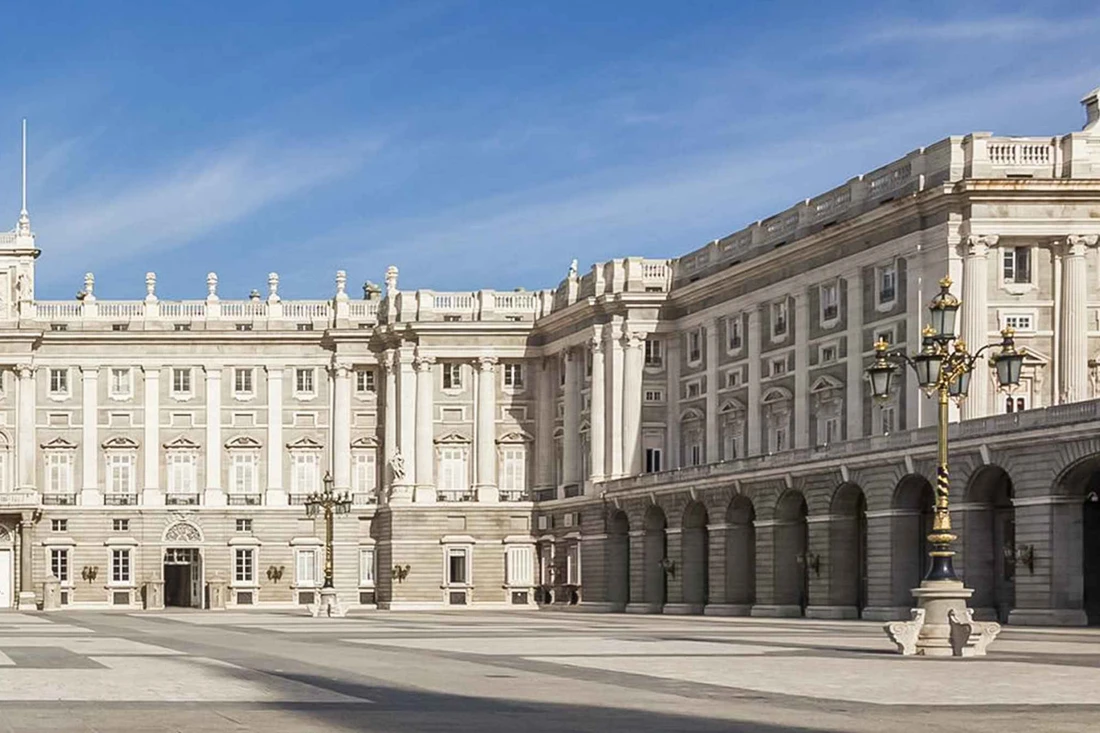
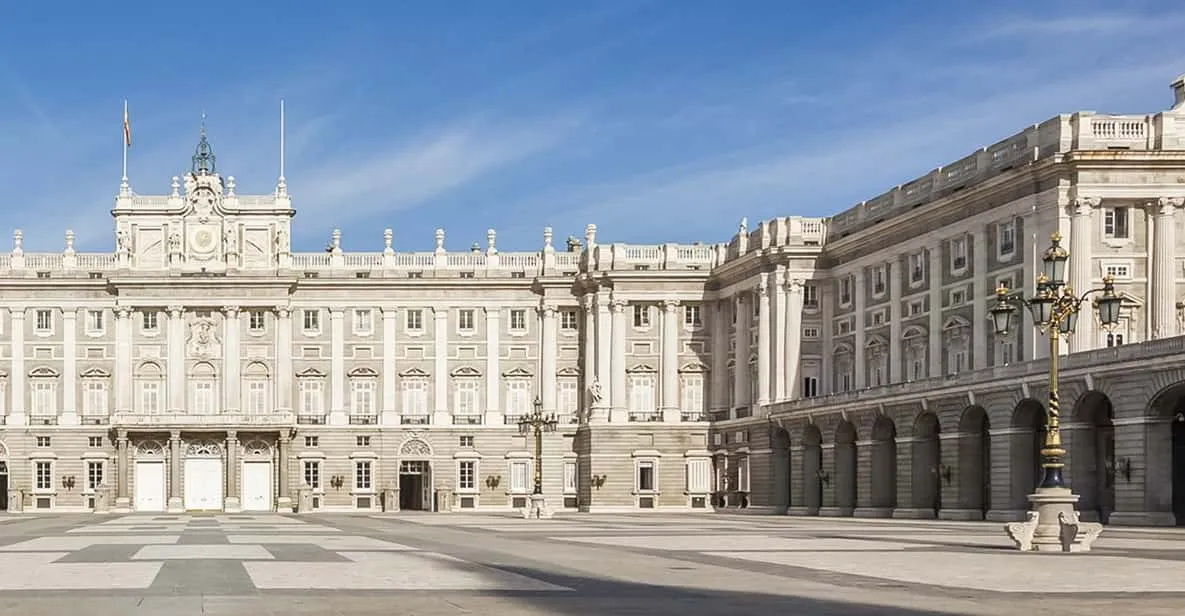
from $54 The Spanish crown's old Alcázar burned to the ground on Christmas Eve 1734, and Philip V replaced it with something deliberately enormous. The Royal Palace of Madrid is the largest working royal palace in Western Europe by floor area, over 3,000 rooms of which a fraction are open, and the ones you walk through are a catalogue of eighteenth-century excess: the Throne Room under a Tiepolo ceiling, the Gasparini Room with its swirling silk and stucco, the Royal Armoury with the parade armour of emperors, and a Stradivarius quartet the crown still owns. The royal family no longer lives here, so it functions as a museum and a state-occasion venue both.
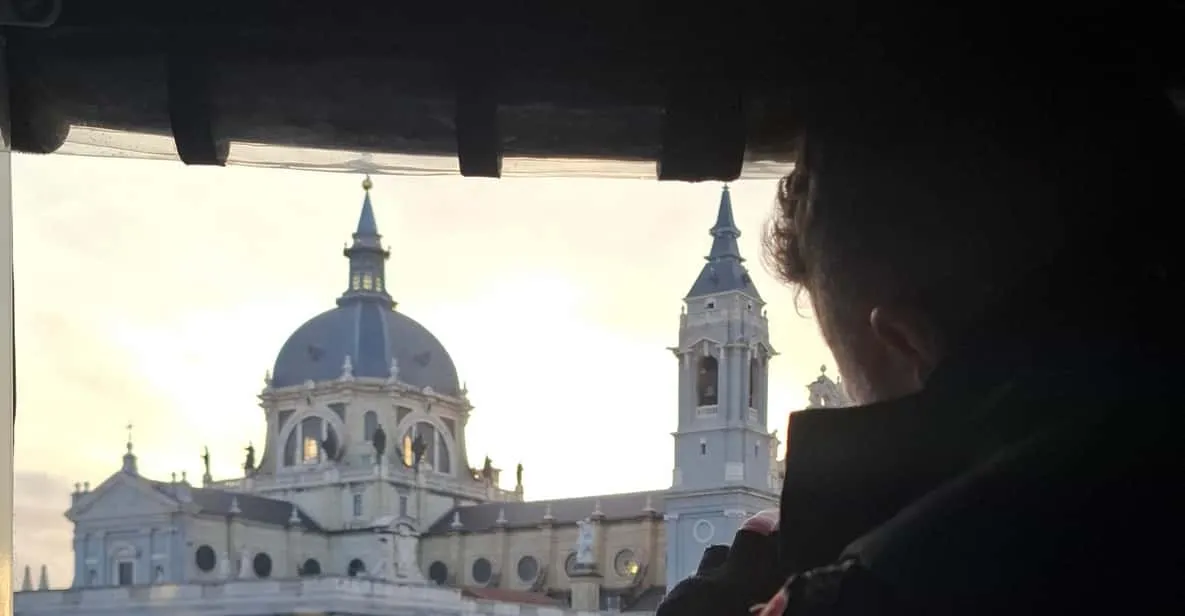
Right beside it, opened in 2023, is the newest major museum in the city. The Royal Collections Gallery is a vast stone hall built into the hillside below the palace and the cathedral, showing the finest of what the crown has hoarded for five centuries: tapestries, state carriages, and paintings by Velázquez, Caravaggio and Goya that were previously locked in store. Between the two you can spend a full morning on the royal history of Madrid without leaving the Plaza de la Almudena.
Red velvet walls, a ceiling by Tiepolo depicting the glory of the Spanish monarchy, and the twin thrones still used for state occasions.
One of the best collections of ceremonial arms and armour in the world, including the parade suits of Charles V and Philip II.
A rococo fever-dream of embroidered silk, stucco and a chandelier, kept as the private dressing room of Charles III.
The Palatine instruments, a matched set of decorated Stradivari the crown has owned since the eighteenth century, displayed in the palace.
The 2023 museum below the palace, with the state carriages, the tapestries and crown paintings by Velázquez, Caravaggio and Goya.
On the Plaza de la Armería, the full ceremony on the first Wednesday of most months, a shorter changing on other days. Free to watch.
The walk-up queue at the Plaza de Oriente gate is long by mid-morning. Fast-access tickets skip it; a combined ticket adds the Royal Collections Gallery next door.
Treat the palace and the Royal Collections Gallery as one visit — they share a square and a morning does both comfortably. Book fast-access for the palace, because the queue at the gate is the worst in the city after the Prado's. A guide earns their fee in the state rooms, where the gilt runs together without someone to tell you what you are looking at.
The scale is hard to believe. Room after room of gilt and silk and painted ceilings, and the Armoury at the end is a highlight even if you think you do not care about armour. Book the fast entry, the queue was enormous.
We did the palace and the new Royal Collections Gallery next door in one morning and it worked well. The gallery is modern and calm and the carriages are extraordinary. Fewer crowds there than the palace.
Caught the changing of the guard by luck, which is free and worth timing your visit around. The Gasparini Room inside is the most over-the-top thing I have ever seen. In a good way.
Fast-access and guided tickets for the Royal Palace, entry to the 2023 Royal Collections Gallery beside it, and a combined tour that pairs the palace with the Prado.
from $25
from $28
from $21
from $82 For everything the Golden Triangle does with paint, it says almost nothing about Spain before the Habsburgs — and that is what the national archaeological museum in Madrid is for. The Museo Arqueológico Nacional on Calle Serrano tells the story of the peninsula from prehistory forward, and its single most famous object is the Lady of Elche, a painted stone bust of an Iberian noblewoman from the fourth century BC, her headdress a pair of enormous coiled wheels. The Lady of Baza sits nearby, the Visigothic votive crowns of the Treasure of Guarrazar glitter in a darkened room, and in the courtyard is a full-scale replica of the Altamira cave ceiling, the one you can no longer see in person. Admission is €3, and the galleries are rarely busy.
A short way north, the Lázaro Galdiano is the other half of this theme and its opposite in character. José Lázaro Galdiano was a financier and bibliophile who filled his mansion with Goyas, El Grecos, a Bosch, Zurbaráns, medieval enamels and a small panel some still hope is an early Leonardo. He left the whole house to the state, and it is the collector's-mansion museum most first-timers never reach.
The painted limestone bust of an Iberian woman from the 4th century BC, with a headdress of two great coiled wheels. The most famous object in the museum, and one of the most famous in Spain.
A full-scale copy of the painted cave ceiling in the courtyard, since the original in Cantabria is closed to visitors. The bison look wet, as if just finished.
Visigothic votive crowns of gold and gemstones, hung as if floating in a darkened room. Kings gave them to churches in the 7th century.
A seated Iberian goddess-figure that once held cremated remains, painted and enthroned, from the same lost culture as the Lady of Elche.
In the mansion museum to the north: Goya's Witches' Sabbath and a room of his work, alongside El Greco and a disputed early Leonardo.
Lázaro Galdiano's own house, the Parque Florido, kept with its painted ceilings and its garden — the collection and the setting are one.
One of the best-value tickets in Madrid at €3, and rarely crowded. Closed Mondays, like most state museums here except the Prado.
Neither of these needs booking days ahead, which is the point of them — use them as the calm hours between the Golden Triangle museums. The Archaeological Museum is beside Plaza de Colón, an easy add-on to a Salamanca-district afternoon; the Lázaro Galdiano is a little further north and pairs naturally with the Sorolla house nearby.
Three euros for the Lady of Elche and an Altamira replica you can actually stand under. This is the best-value museum in Madrid by a mile and there was hardly anyone there. Do not skip it for being off the art trail.
The Lázaro Galdiano was the surprise of the trip. A whole mansion of Goyas and El Grecos with painted ceilings and we had rooms to ourselves. Feels like visiting a private house, because it was one.
The Archaeological Museum is beautifully laid out and the Visigothic crowns in the dark room are stunning. A good rainy-afternoon escape and cheap. Closed on Mondays, we found out the hard way.
An e-ticket with audio guide to the National Archaeological Museum, and a combined ticket that pairs it with the Lázaro Galdiano mansion collection.
from $7
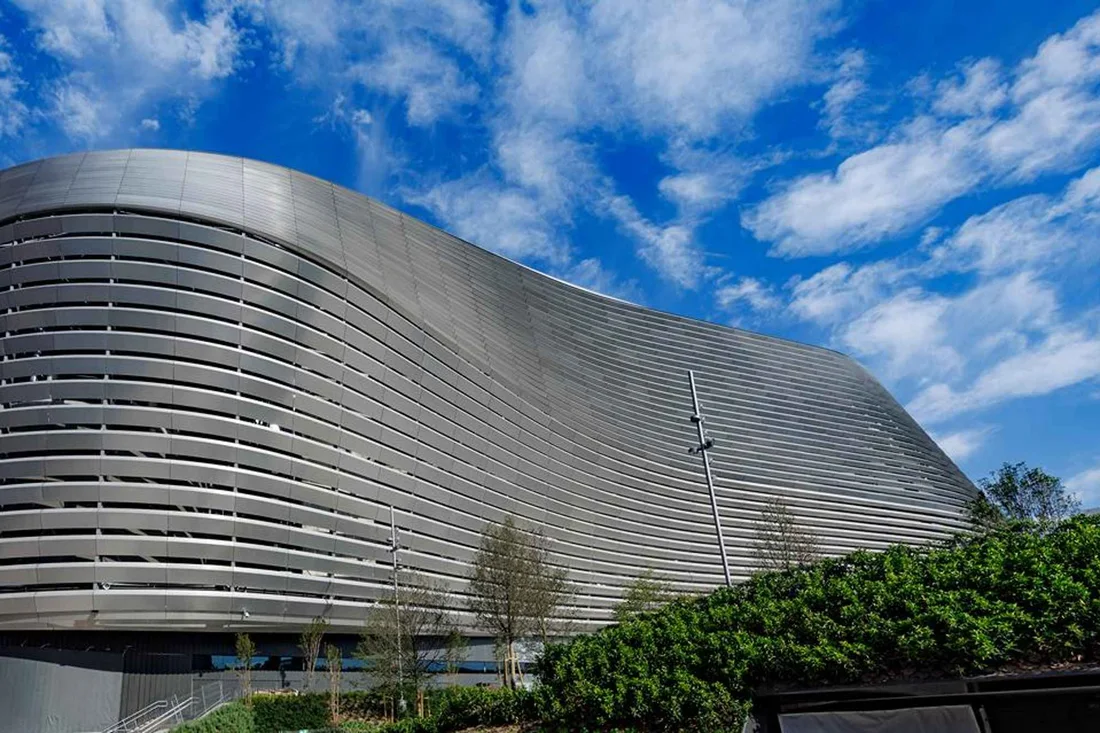
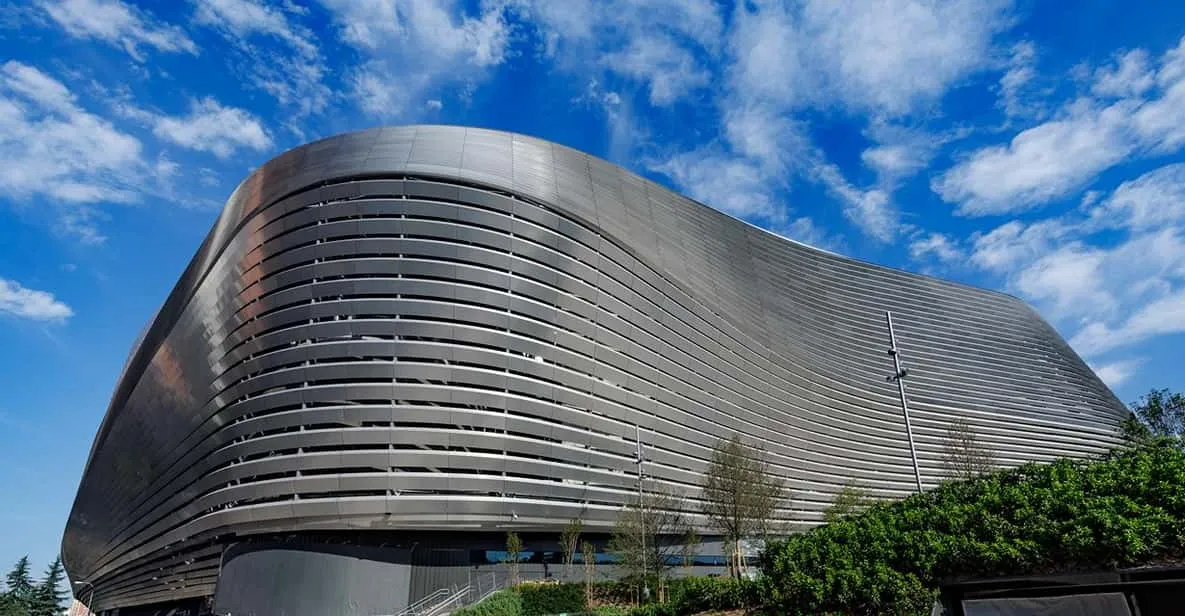
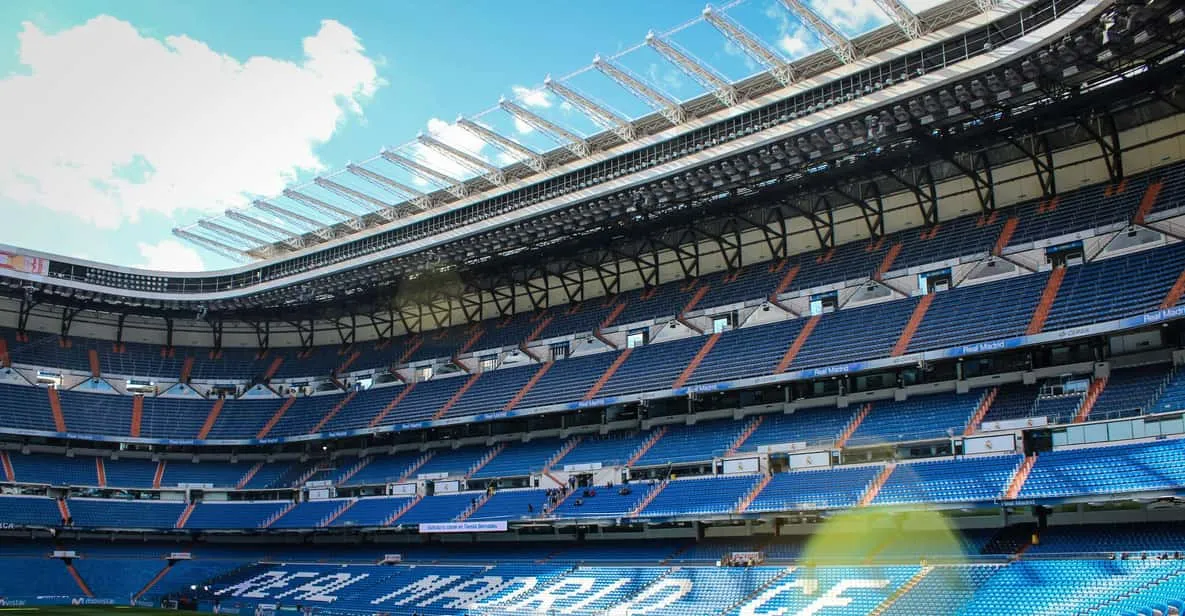
from $26 Madrid is a two-club city, and both clubs run a museum that outsells most of the art galleries. Real Madrid's Santiago Bernabéu has just emerged from a total rebuild, a spaceship of retractable roof and wraparound screens, and its tour ends where everyone wants it to: a trophy room with fifteen European Cup and Champions League trophies lined up in a single case, more than any other club has won. The self-guided route takes in the pitch, the dressing rooms and the presidential box, and it is comfortably the most-booked attraction ticket in the whole city.
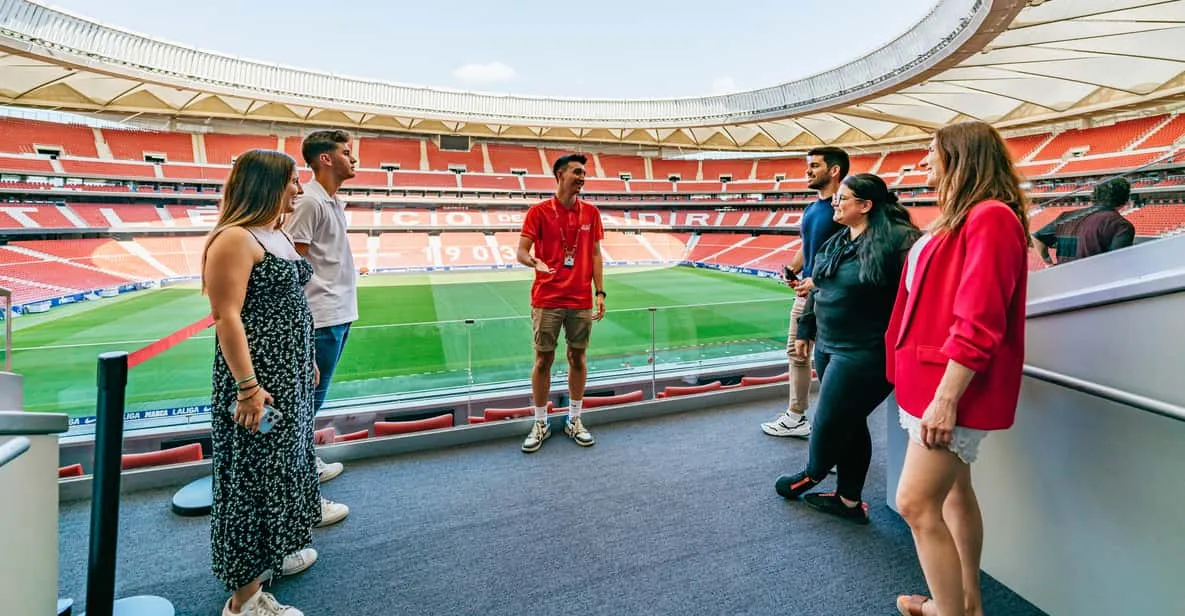
Across town, Atlético de Madrid tells the other half of the story at the Cívitas Metropolitano, with its own museum of cups and kits, cheaper and far quieter than the Bernabéu. And for a museum that belongs to no single club, Legends: The Home of Football sits near Puerta del Sol in the very centre, a whole history of the game with shirts, trophies and interactive galleries — a genuinely good indoor hour when the art queues have worn you down.
Fifteen European Cup and Champions League trophies in one case, more than any other club has won, plus a wall of Ballon d'Ors.
The 2024 stadium itself is the attraction: a retractable pitch, a 360-degree screen and a facade that lights up. The tour walks the pitch-side and the dressing rooms.
The other Madrid, with a stadium tour and a museum of the club's Europa League and Liga titles. Cheaper and much quieter.
A central museum near Puerta del Sol devoted to the whole game rather than one club, with interactive galleries and memorabilia from around the world.
Legends is fully indoor and steps from Sol, which makes it the obvious plan when the weather turns or the museum queues are long.
The Bernabéu and Metropolitano tours run shorter routes or close on match days — check the fixture before you book a stadium visit.
The most-booked attraction in Madrid. Tours run shorter routes on match days, so check the fixture list before choosing your slot.
Decide first whether you want a stadium or a museum, because they are different days out. The Bernabéu and the Metropolitano are pilgrimages for fans of those clubs and less compelling if you support neither. Legends, in the centre, is the neutral option and the easiest to slot into a museum day near Sol and Plaza Mayor.
Even as a neutral the rebuilt Bernabéu is jaw-dropping, and the trophy room at the end is something else. Fifteen European Cups in a row. Book ahead, it sells out and the queue on the day was huge.
Did the Atlético tour instead of the Bernabéu because we support them, and it was excellent and far less busy. The museum is smaller but you can actually take your time. Half the price too.
Took the kids to Legends near Sol on a rainy afternoon and it was a hit, loads of interactive stuff and right in the centre so we walked back to the hotel. Good break from the art museums.
Self-guided and guided tours of the Santiago Bernabéu and Real Madrid museum, the Atlético de Madrid stadium and museum, and the central Legends football museum.
from $42
from $67
from $20
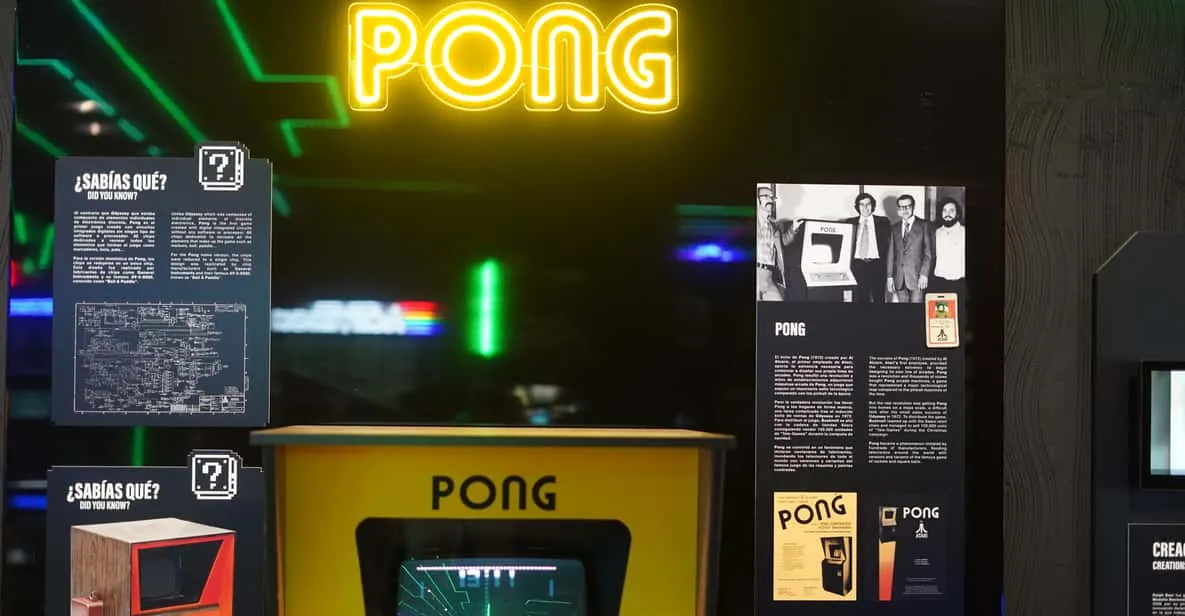
from $29 Not every museum in Madrid is a national institution, and after a few days of old masters the appetite for something lighter is real. The city has a whole layer of newer, quirkier museums built for a good hour rather than a solemn afternoon. The best-rated of them is the OXO Video Game Museum near Plaza Mayor, Europe's first museum dedicated to games, where the arcade cabinets are switched on and you are meant to play them. The Banksy Museum in Madrid gathers reproductions of the street artist's work into one place, the only way to see it together rather than scattered across walls in a dozen cities.
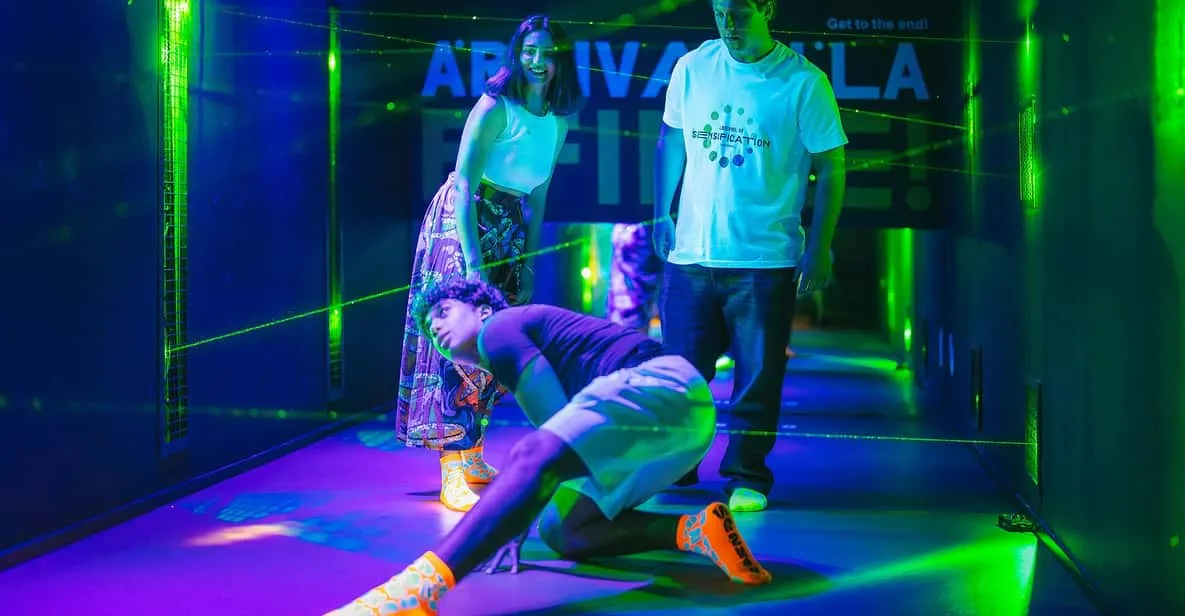
The rest are frankly built for photographs, and none the worse for it with children in tow: the Museum of Illusions with its tilted room and holograms, the walk-through Museum of Senses, the immersive light installations of the Museo de la Luz, and the Happiness Museum's bright interactive rooms. Older and more earnest, the Wax Museum on the Paseo de Recoletos has been modelling Spanish royals, footballers and film stars since 1972. None of these needs advance planning, and most are cheap.
Europe's first museum of video games, near Plaza Mayor, with playable arcade cabinets tracing the medium from 1950s prototypes onward. The best-rated of Madrid's newer museums.
Reproductions of the street artist's best-known works gathered in one place, the only way to see them together. Unofficial, and a well-rated change of pace.
Optical tricks, a tilted room, an infinity chamber and holograms, all built for photographs. One of the better museums in Madrid for teenagers.
Room-scale light and projection art where the space itself is the exhibit, closer to a digital installation than a gallery. Short and striking.
The Museo de Cera on the Paseo de Recoletos, modelling Spanish royals, footballers and stars in wax since 1972. Dated in the best way, and fun with kids.
Two walk-through experiences built around a single idea and engineered for the camera. Quick, cheerful stops rather than serious museums.
These cluster in the central streets around Plaza Mayor and Sol, so two or three make an easy afternoon between the big galleries.
These are the antidote to museum fatigue, and most cluster in the central streets around Plaza Mayor and Sol, so you can string two or three together in an afternoon. With kids, the OXO and the illusion museums are the reliable hits; for a break from the old masters that still feels like art, the Banksy Museum is the one to pick.
OXO was a genuine surprise, the arcade machines are all switched on and you can play them, and it is right by Plaza Mayor. Our teenager, who was done with paintings, loved it. Cheap too.
The Banksy Museum is not official and everyone knows it, but seeing all the famous pieces reproduced in one place was actually great, and a nice change from three days of the Prado and Reina Sofía.
Did the Museum of Illusions with the kids and it was an hour of them running around taking photos in the tilted room. Not high art, but exactly what we needed on day four. Book online, there was a queue.
Admission to the OXO Video Game Museum, the Banksy Museum, the Museum of Illusions, the Museo de la Luz, the Wax Museum, the Museum of Senses and the Happiness Museum.
from $19
from $16
from $18
from $17
from $22
from $24
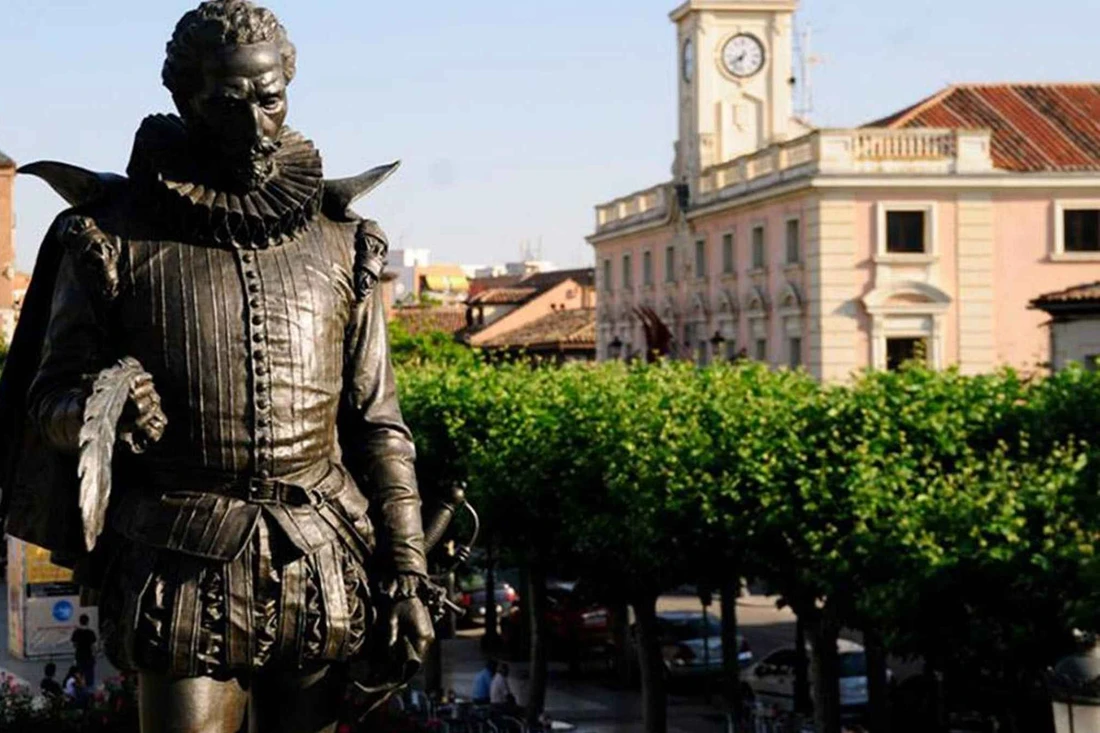
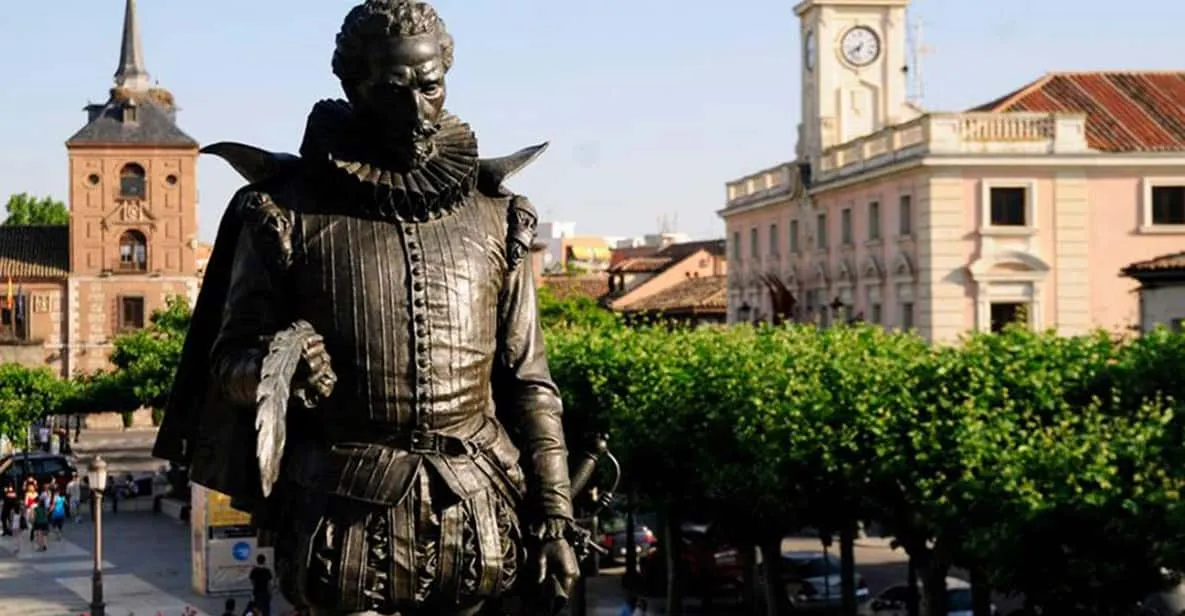
from $18 Madrid sits in the middle of Spain, and some of the country's best museum days are a short train ride away. The pick for a first visit is Alcalá de Henares, half an hour east, a UNESCO World Heritage town built around one of Europe's oldest universities. Its reason to go is the Casa Natal de Cervantes, the reconstructed birthplace of the author of Don Quixote, kept as a Golden Age household with the family's rooms, a period kitchen and a bronze Don Quixote and Sancho Panza on the bench outside. The university's Colegio de San Ildefonso, where the Cervantes Prize is still handed out each year, is a few minutes' walk away.
A guided half-day takes the effort out of it, with transport from central Madrid and a guide to set the town and its Golden Age in context. It is an easy escape from the galleries, and it pairs the literary history the city museums touch only lightly with a genuinely lovely old university town.
The reconstructed birthplace of the author of Don Quixote, kept as a Golden Age household, with the bronze Quixote and Sancho on the bench outside.
One of the oldest universities in Europe, whose Colegio de San Ildefonso still hosts the annual Cervantes Prize, Spain's highest literary honour.
The half-day tour includes transport from central Madrid and a guide, which turns a train trip and a self-guided wander into a proper introduction to the town.
An easy half-day. The Cervantes birthplace museum itself is free to enter if you travel independently by Cercanías train.
One day trip per visit is the honest recommendation, because Madrid's own museums will take everything you give them. Alcalá is the easiest and the most museum-focused of the options. If you would rather do it alone, the Cercanías train runs there in about half an hour and the birthplace museum is free.
Alcalá was a lovely half-day away from the city. The Cervantes house is small but beautifully done as a Golden Age home, and the university and old streets are gorgeous. The bronze Quixote on the bench is a must-photo.
We took the train ourselves in the end, half an hour and the birthplace museum is free. Worth doing if you have read any Cervantes. The town is UNESCO-listed and you can see why.
The guided trip meant we actually understood what we were looking at, the Golden Age context and the university history. A good change of pace after days of Madrid galleries.
A guided half-day to the UNESCO town of Alcalá de Henares, taking in the birthplace of Cervantes and one of Europe's oldest universities, with transport included.
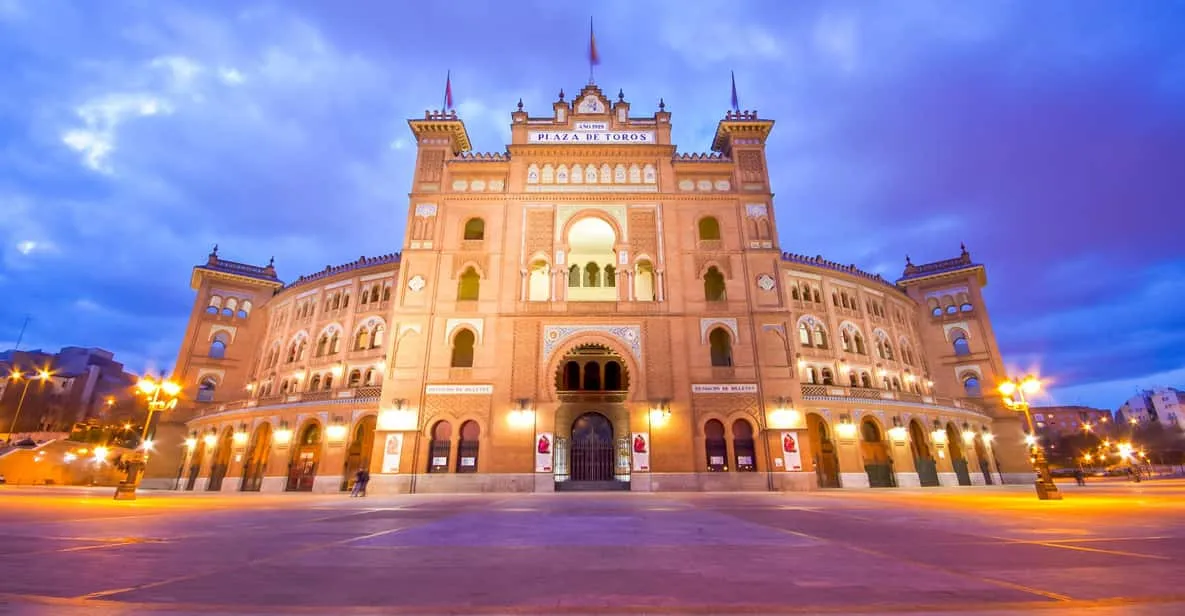
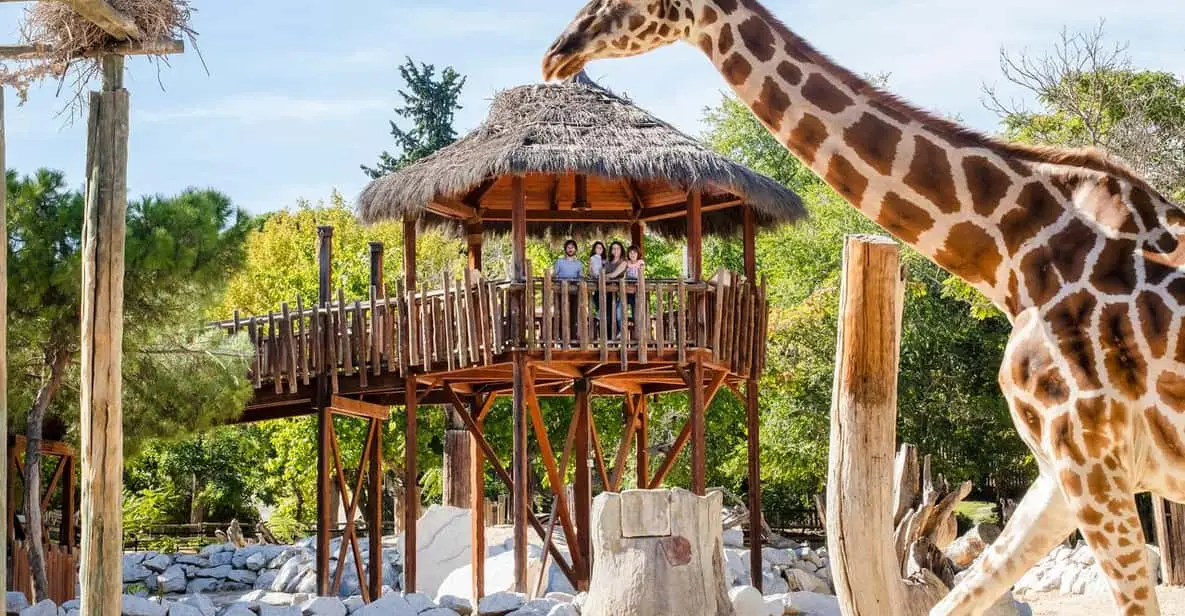
from $54 Not everything worth booking in Madrid hangs on a wall, and a museum trip usually has room for a day that is something else entirely. The grandest of these sits at the meeting point of the two: Las Ventas, the great Neo-Mudéjar bullring on Calle de Alcalá, whose tour takes in the arena, the bullfighters' chapel and the Museo Taurino tracing the history of a tradition you do not have to approve of to find fascinating. For families, the Zoo Aquarium in the Casa de Campo is one of the few zoos in Europe with giant pandas, with an aquarium and dolphinarium on the same ticket, and the Atlantis Aquarium and the film-themed Parque Warner sit just outside the city.
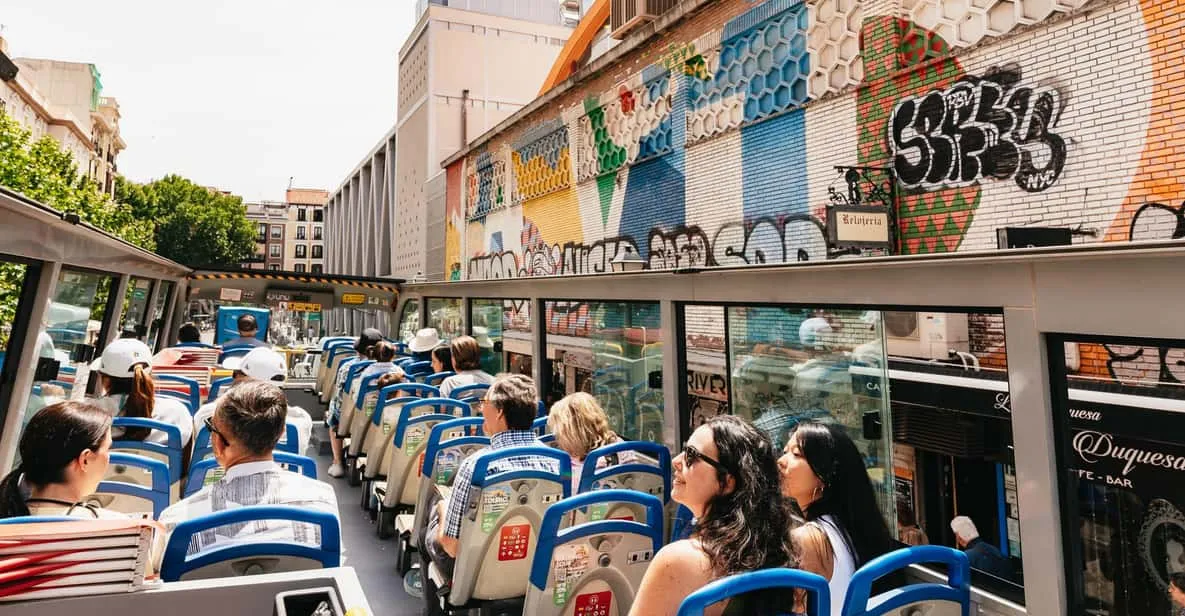
And because the museums in Madrid are more spread out than they first look, the way you move between them matters. The open-top hop-on hop-off bus links the Golden Triangle, the Royal Palace and the main squares on two loops; a private electric tuk-tuk threads the old centre faster than walking; and a highly rated walking tour from Puerta del Sol to Plaza Mayor and the palace is the best way to get your bearings before the galleries.
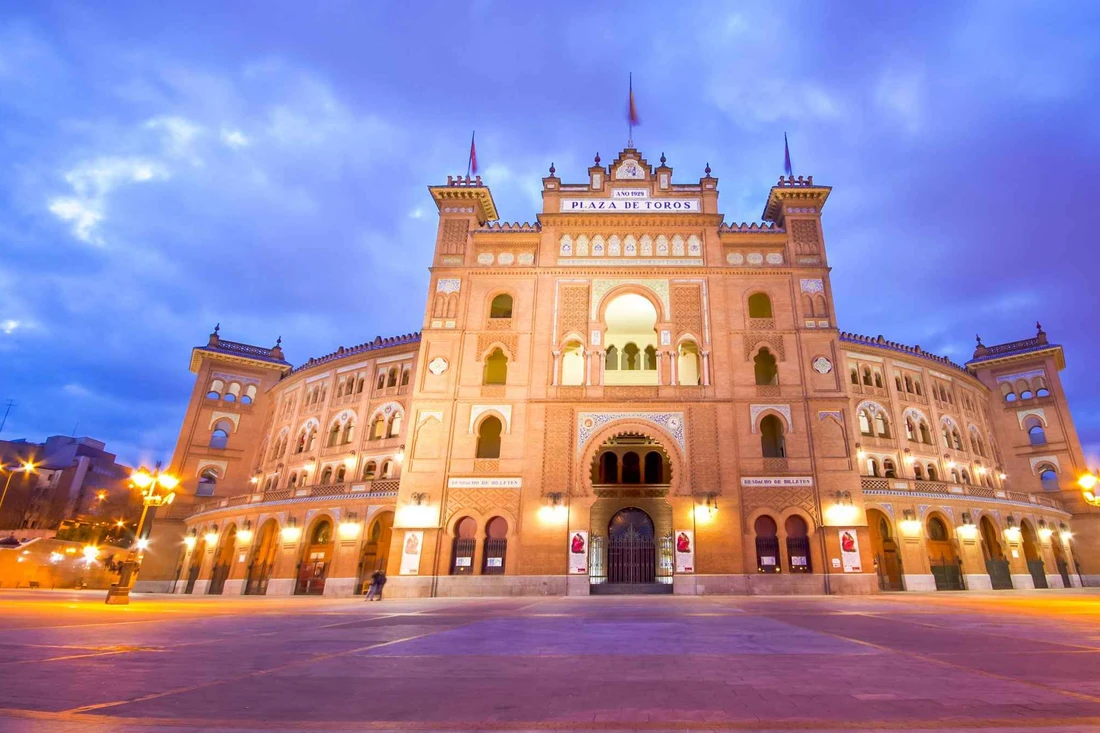
The most important bullring in Spain, a Neo-Mudéjar arena of red brick and tile, with a bullfighting museum and the fighters' chapel inside. Audio-guided at your own pace.
One of the few zoos in Europe with giant pandas, in the Casa de Campo park, with an aquarium and dolphinarium on the same ticket. A full family day.
A large modern aquarium with sharks, rays and a walk-through tunnel, just outside the city at Arroyomolinos. Aimed at younger families.
A film-themed amusement park south of the city, with roller coasters grouped by Warner Bros. worlds from DC superheroes to cartoons. A complete change of gear.
Two open-top loops linking the museums, the Royal Palace and the main squares, with 24 or 48-hour tickets. The simplest way to cover the spread-out sights.
A guided walk from Sol to Plaza Mayor and the palace to get your bearings, or a private electric tuk-tuk through the old centre.
The bullring tour runs on non-event days only. The Museo Taurino inside is included in the audio-guided ticket.
These split cleanly into two kinds: attractions for a change of pace, and transport to tie the museums together. Start most trips with the walking tour or a bus day to get oriented, since Madrid's sights are more scattered than a first look suggests. Save the zoo or Warner Park for a full day with children, well away from the gallery itinerary.
The Las Ventas tour was fascinating even though I have no interest in bullfighting itself. The building is beautiful and the museum explains the whole tradition. Audio guide let us go at our own pace.
Did the hop-on hop-off bus on our first day and it was the right call, the museums are more spread out than we expected and it linked them all. Bought the 48-hour ticket and used it properly.
Took the kids to the zoo for the pandas and it was a great full day out in the Casa de Campo, a complete break from the museums. The dolphinarium was included which they loved.
The Las Ventas bullring and its Museo Taurino, the Zoo Aquarium and Atlantis Aquarium, Parque Warner, the hop-on hop-off bus, a private tuk-tuk and a guided walking tour.
from $18
from $22
from $34
from $29
from $38
from $11
from $34 Some of the best museums in Madrid sell no ticket through a booking platform and simply take a small fee, or nothing at all, at the door. None of these need reserving, none appear in the comparison table above, and every one is worth an hour.
Five ways to spend a day among the museums in Madrid without rushing. The central sights are close together, but the Golden Triangle, Royal Madrid and the Bernabéu pull in different directions — so these routes are grouped by what sits near what, and by which day of the week they survive.
| Day plan | The route | Why it works |
|---|---|---|
| The Golden Triangle | Prado at 10:00 → lunch → Thyssen → Reina Sofía in the free evening slot | Velázquez, 700 years of painting and Guernica in one day, all on the Paseo del Prado. Not a Tuesday, when the Reina Sofía shuts |
| Royal Madrid | Royal Palace at opening → Royal Collections Gallery → changing of the guard → Almudena Cathedral | One square, one morning, and the fast-access ticket keeps you out of the palace queue |
| Free & cheap day | Sorolla → Archaeological Museum → Naval Museum → Templo de Debod at sunset | Three museums for under €7 between them, two of them free, ending at the best free view in the city |
| With kids | OXO Video Game Museum → Museum of Illusions → the Bernabéu or the Zoo | Hands-on, photo-friendly and nothing that needs a solemn face, with a stadium or the pandas to finish |
| The eastern day | Bernabéu tour → Lázaro Galdiano → Las Ventas bullring | The football, a collector’s mansion and the great bullring, all north and east of the centre and easy to link |
Madrid is one of the best cities in Europe for free museums in Madrid, Spain, because the great state galleries all open their doors for nothing in the evening. The rule worth planning around is the free-entry window: the Prado is free the last two hours Monday to Saturday and Sunday afternoon, the Reina Sofía most evenings from 19:00 and Sunday afternoon, and the Thyssen the whole of Monday afternoon. They are the busiest hours of the day and timed slots are limited, but for a traveller on a budget the whole Golden Triangle can be seen for nothing across a few days.
Beyond the free windows, several museums are free or nearly free all the time.
The Prado Museum is the most famous museum in Madrid, holding Velázquez's Las Meninas, Goya's Black Paintings and Bosch's Garden of Earthly Delights in Spain's national gallery. The Reina Sofía runs a close second, because Picasso's Guernica is there, and together with the Thyssen-Bornemisza the three form the Golden Triangle of Art on the Paseo del Prado.
The two most famous art museums in Madrid are the Prado, for Spanish old masters like Velázquez and Goya, and the Reina Sofía, for twentieth-century art built around Picasso's Guernica. Add the Thyssen-Bornemisza and you have the full Golden Triangle of Art, three world-class collections within a ten-minute walk of each other.
Picasso's Guernica hangs in the Reina Sofía, Spain's national museum of twentieth-century art by Atocha station, in room 205 on the second floor. There is no dedicated Picasso Museum in Madrid; the museum in Madrid with Picasso is the Reina Sofía, which also holds the preparatory sketches for Guernica and major works by Dalí and Miró. Photographs of Guernica itself are not permitted.
The best art museum in Madrid is the Prado, and nothing else is close for Spanish old masters. After it, the Reina Sofía for modern art and Guernica, and the Thyssen-Bornemisza for everything in between, from Van Eyck to Hopper. If you only have time for two of these art museums in Madrid, Spain, make them the Prado and the Reina Sofía; add the Thyssen if you have a third morning.
Many are, at the right time. The Prado, Reina Sofía and Thyssen all open free for the last two hours of the day — see our free museums section for the exact windows. The Naval Museum and the Templo de Debod are always free, the Archaeological Museum is €3 and free on weekends, and under-18s enter the state museums free.
The Reina Sofía closes on Tuesdays, which is the most common planning mistake in the city. The state museums that take Mondays off include the Archaeological Museum, the Sorolla, the Lázaro Galdiano and the Royal Collections Gallery. The Prado, the Thyssen and the Royal Palace all stay open every day. See the full hours table.
For the big three it is strongly advised. The Prado, Reina Sofía and the Royal Palace all run on timed entry, and the walk-up queues, especially at the Prado and the palace gate, are long by mid-morning. The Bernabéu is the most-booked ticket in the city and sells out. Smaller museums like the Archaeological and the Sorolla you can usually walk into.
It depends how many of the Golden Triangle you want. The Paseo del Arte / Art Walk Pass covers the Prado, Reina Sofía and Thyssen for around €32 and saves queueing, which is worth it if you want daytime visits to all three. For just two, buy the two tickets; and all three are free in the evening if you are on a budget. See our pass breakdown.
Travellers often ask just how many museums in Madrid there are: the answer is more than 70, from the three world-class galleries of the Golden Triangle to house-museums, the royal palace, football museums and a growing layer of immersive attractions. This guide covers over thirty of the ones most worth your time, sorted into nine themes so you can pick by interest rather than working down a list of museums in Madrid.
For a two-day trip, the must see museums in madrid are the Prado and the Reina Sofía — Velázquez and Goya on day one, Guernica on day two — with the Royal Palace if you have a spare morning. With a third day, add the Thyssen to complete the Golden Triangle. Our one-day itineraries lay out five routes, including a free-and-cheap day and one built around Royal Madrid.